Contents (11 sections)
Table of Contents
- The Evolution of Mobile Photography
- Mastering Lighting like a Pro
- Advanced Composition Techniques
- Utilising Advanced Camera Settings
- Post-Processing Essentials
- Capturing Unique Perspectives
- 📺 Resource Video
- FAQs
- Glossary
- Checklist for Perfect Shots
The Evolution of Mobile Photography
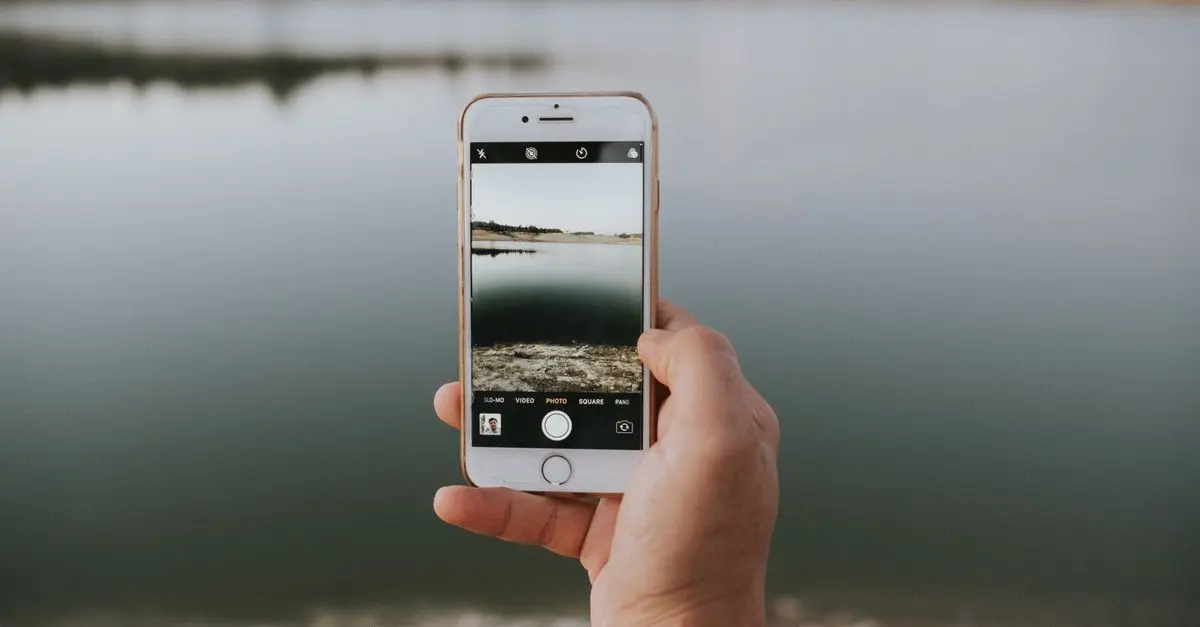
Mobile photography has come a long way. Initially, smartphones were equipped with basic cameras, suitable for casual shots. However, in recent years, the integration of advanced sensors and software has transformed them into powerful tools. According to Les Numériques, mobile cameras now offer features like low-light performance and AI-driven enhancements that rival dedicated cameras.
The rise of social media platforms such as Instagram and TikTok has further fueled this evolution. Users demand high-quality imagery, increasing the need for mastering mobile photography techniques. It's not just about capturing moments; it's about crafting a visual story that resonates with your audience.
Mastering Lighting like a Pro
Proper lighting is key in photography. Natural light is often the best choice, but it's crucial to understand its nuances. The golden hour, which occurs shortly after sunrise or before sunset, provides a soft glow that enhances your images' rich details.
Utilising reflectors— lightweight, portable tools—can manipulate light and eliminate harsh shadows. Experimenting with artificial lighting, such as LED panels, allows for consistent quality regardless of the time of day.
Professional photographers often advise that when indoors, positioning near windows provides an optimal light source. Always avoid direct overhead lighting as it casts unflattering shadows. UFC-Que Choisir mentions the right balance of shadow and light as pivotal in creating dimension in your photographs.
Advanced Composition Techniques
Composition can make or break an image. The rule of thirds involves positioning key elements along imaginary grid lines, creating a balanced visual interest. Many smartphones now offer grid overlays in their camera settings.
Utilising leading lines, such as roads or pathways, directs attention to the photograph’s subject. Additionally, experimenting with symmetry and patterns can yield compelling results. Offering a sense of order, patterns are pleasing to the eye and break the monotony of standard compositions.
Negative space, the area surrounding the main subject, is also a powerful tool. It allows the subject to breathe, highlighting its importance while adding simplicity and elegance to the image.
Utilising Advanced Camera Settings
Most smartphones provide a wealth of settings beyond automatic mode. Switching to manual or pro mode grants control over ISO, shutter speed, and aperture.
ISO determines the camera sensor’s sensitivity to light. Lower ISO values are ideal in bright environments, while higher values are suitable in low light, albeit with the risk of added noise. Experts recommend finding the balance that maintains quality without unnecessary grain.
Shutter speed influences how movement is captured. A fast shutter speed freezes motion, while a slower one can create artistic blurs. Aperture, though limited on phones, aids in controlling the depth of field, enhancing focus on subjects against blurred backgrounds.
Post-Processing Essentials
Editing can significantly alter photographs but should enhance rather than overshadow your original intent. Applications like Adobe Lightroom offer extensive editing capabilities directly on mobile devices.
Begin with basic adjustments: tweak exposure, contrast, and white balance according to the mood of your shoot. The selective editing feature allows pinpoint adjustments like enhancing highlights or adding warmth to shadows.
Filters can elevate mood but use them cautiously to preserve authenticity. According to 60 Millions de Consommateurs, over-editing is a common pitfall that detracts from the natural aesthetic.
Capturing Unique Perspectives
Exploring diverse angles can differentiate your work. Inclinations like bird’s-eye or worm’s-eye views introduce new dimensions. Try shooting through objects like leaves or frames to add depth and context.
Get creative with reflections, perhaps using puddles or glass. They add symmetry and intrigue—hallmarks of professional-grade imagery. Understanding the principles of framing and deliberate angle selection can propel your craft to new heights.
📺 Resource Video
> 📺 To delve deeper: Professional Mobile Photography, techniques explored. Find on YouTube: "Advanced Mobile Photography Techniques."
FAQs
- What are some mobile photography tips?
Consider lighting, composition, and utilise manual settings for greater control.
- How can I improve my smartphone photography?
Experiment with different settings and perspectives; edit your photos to enhance them.
- What apps are best for editing mobile photographs?
Adobe Lightroom and Snapseed are popular for powerful yet user-friendly editing tools.
- What is the rule of thirds in photography?
It is a guideline for composing photographs by dividing the image into thirds, both horizontally and vertically.
Glossary
| Terme | Définition |
|---|---|
| ISO | Sensitivity of the camera sensor to light, affecting exposure. |
| Shutter Speed | The time the camera shutter is open to exposure light. |
| Depth of Field | The range within a photo that appears sharp and in focus. |
Checklist for Perfect Shots
- [ ] Ensure proper lighting
- [ ] Use the rule of thirds for composition
- [ ] Experiment with camera settings (ISO, shutter speed)
- [ ] Edit using a reliable app
- [ ] Explore unique perspectives
🧠 Quiz rapide: What key element impacts the mood in a photograph?
- A) Lighting
- B) Filters
- C) ISO
Réponse : A — Lighting influences the overall tone and emotion conveyed.