Contents (10 sections)
Mobile AI technologies have seen tremendous advancements in recent years, transforming the way we interact with our devices. In this article, we'll explore the major mobile AI developments shaping the industry in 2026, focusing on their importance, implications, and what the future holds.
Natural Language Processing (NLP) Evolution
The evolution of Natural Language Processing (NLP) has significantly enhanced mobile user interactions. In 2026, NLP technologies on mobile devices have become astoundingly sophisticated, enabling more intuitive and seamless communication with virtual assistants. Brands like Apple and Google have refined their AI models to comprehend and process complex human emotions and contexts better than ever before. This is pivotal in improving accessibility features for users with disabilities, allowing them easier access to digital services.
According to a report by Statista, 72% of users appreciate voice assistants for their ability to understand nuanced queries, a testament to the advancements in NLP. The future of NLP in mobile AI indicates expansions into multi-lingual capabilities and more personalized assistance tailored to individual user behaviours.
Enhanced Visual Recognition
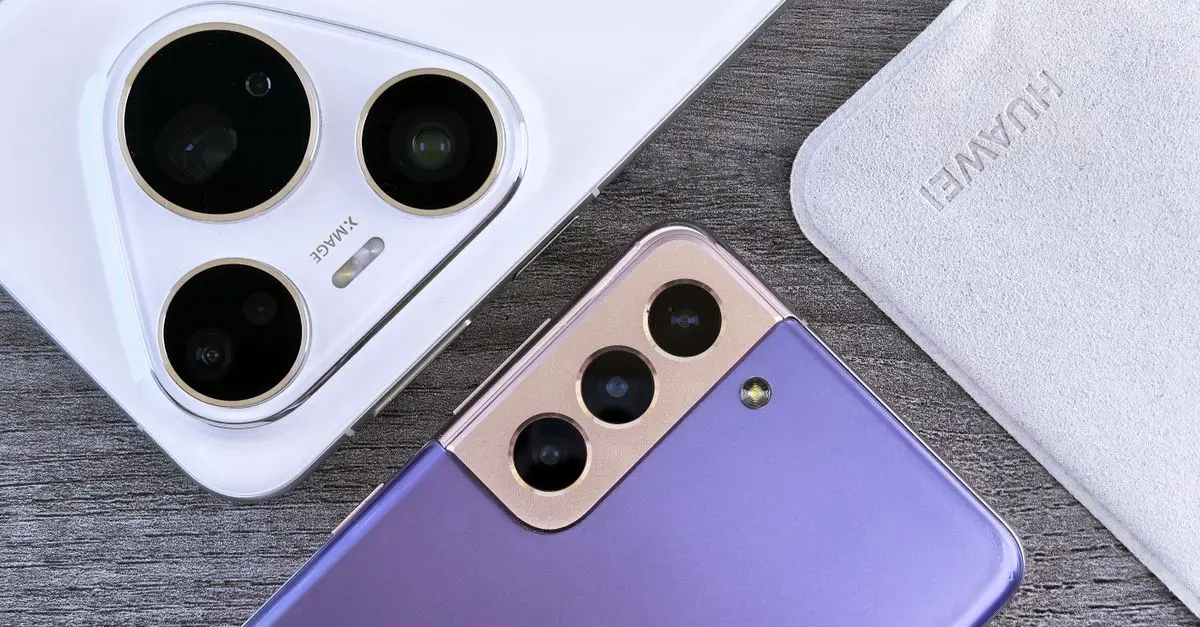
Visual recognition technology in mobile devices has reached new heights in 2026, powered by advanced AI algorithms. This functionality now allows smartphones to identify objects, scenes, and even gestures with impressive accuracy. Samsung's latest smartphones leverage AI to enhance camera functionalities, automatically adjusting settings for optimal image capture under varying conditions.
Researchers at MIT have developed visual models that teach mobile AI to recognize and react to facial expressions, potentially revolutionising customer interactions in retail and ecommerce. As AI continues to advance, we expect visual recognition to play a role in areas like augmented reality, making these experiences more immersive and interactive.
Edge Computing Integration
The integration of edge computing with mobile AI has reduced latency, leading to faster data processing and improved user experiences. By performing AI computations locally on devices, Qualcomm has led the way with chips that support complex computations without relying heavily on cloud-based systems. This shift ensures more private, secure interactions while enhancing battery life and device performance.
Industry reports suggest that edge computing technology adoption has risen by 60% within the mobile sector in recent years, aligning with the consumer demand for quicker service delivery and robust security measures. The continued integration promises to amplify the capabilities of AI in autonomous vehicles and IoT devices.
Advanced Machine Learning Models
Machine learning models used in mobile applications are becoming more sophisticated and efficient. 2026 has seen a proliferation of AI that can learn with minimal data input, thanks to advancements in few-shot learning algorithms. This has opened up possibilities for mobile apps to become more adaptable and context-aware without the need for large datasets.
By 2026, Google's AI research lab has achieved milestones in energy-efficient AI training and deployment, making it feasible for apps to perform complex tasks such as real-time language translation and predictive texting without significant power drain. This improvement lays the groundwork for more resource-efficient AI applications across multiple sectors.
💡 Avis d'expert : The trend towards energy-efficient AI models suggests that technology will become increasingly ubiquitous, integrated seamlessly into everyday tasks.
Personalized User Experiences
Mobile AI developments have transformed personalization capabilities. AI engines can now predict user preferences and offer tailored recommendations, enhancing user engagement. Spotify and Netflix, for instance, use AI to curate music and show recommendations based on listening and viewing history, a practice now refined to an unprecedented level of accuracy.
The global AI analytics market is expected to reach $80 billion by 2026, according to Gartner, underscoring the growing importance of personalized AI solutions in driving user loyalty and satisfaction. As AI technologies evolve, expect personalization to extend into areas like health monitoring and smart home automation.
📺 Ressource Vidéo
> 📺 Pour aller plus loin : Exploring the Future of Mobile AI Technologies, a comprehensive analysis of recent AI innovations. Recherchez sur YouTube : "mobile AI advancements 2026".
GLOSSARY
| Terme | Définition |
|---|---|
| NLP | A branch of AI that enables machines to understand and respond to human language comprehensively. |
| Edge Computing | A computing paradigm that processes data close to its source, reducing latency. |
| Few-Shot Learning | A machine learning approach where models require minimal data to learn new tasks. |
- [ ] Evaluate the latest AI advancements in your preferred mobile brand.
- [ ] Check for updates on NLP and visual recognition features.
- [ ] Consider privacy and data security offered through edge computing.
- [ ] Seek energy-efficient AI models for longer-lasting performance.
- [ ] Explore apps that offer personalized user experiences.
- What are the latest trends in mobile AI?
Mobile AI trends include enhanced NLP, advanced visual recognition, and integration with edge computing for better efficiency and security.
- How is AI used in mobile cameras today?
AI enhances mobile cameras by adjusting settings for optimal image capture and recognising objects, scenes, and expressions automatically.
- What does few-shot learning mean for mobile AI?
Few-shot learning allows AI to learn new tasks with minimal data, making apps more adaptable and context-aware.
- Why is edge computing important for mobile AI?
Edge computing offsets data processing locally on the device, which reduces latency, enhances security, and boosts performance.