Contents (10 sections)
Mobile payments have transformed banking and commerce, enabling consumers to manage transactions conveniently via smartphones. This evolution is not only about convenience; the technology underpinning these payments is continuously evolving. We will explore key trends in mobile payments for 2026, providing insights into where the industry is heading.
1. Biometric Payment Security
With rising concerns over fraud and data breaches, biometric payment systems are becoming paramount. Technologies such as fingerprint scanning, facial recognition, and voice recognition are increasingly used to secure mobile transactions. According to a report by Statista, mobile payments via biometrics are set to reach $2 trillion in 2026, marking a significant growth driven by user demand for security and convenience.
Biometrics mitigate the risk of unauthorized access by ensuring that only the authenticated user can complete a transaction. Companies such as Apple and Google are already incorporating these technologies into their mobile wallets, enhancing user trust. Furthermore, the use of biometric data creates a frictionless user experience; transactions can be completed quickly and securely without the need for PINs or passwords, which may be forgotten or compromised.
💡 Expert Opinion: A security researcher noted that "biometric payments will not only improve transaction security but build consumer confidence in mobile payment systems as a whole."
2. Integration of Blockchain Technology
The integration of blockchain technology within mobile payments is revolutionising transaction verification processes. In 2026, more financial institutions are likely to adopt blockchain for its transparency, security, and ability to cut costs associated with traditional banking methods. IBM has reported that the blockchain market for mobile payments is projected to grow to $7.7 billion by 2026.
Blockchain expedites transaction speed while reducing fees typically associated with money transfers. For example, platforms like Ripple are already enhancing cross-border payments with minimal transaction times and reduced fees. The decentralised nature of blockchain fosters trust and accountability, alleviating concerns regarding fraud. Moreover, the adoption of smart contracts could automate processes, making payment clearing more efficient and seamless.

Zebra TC22 handheld mobile computer 15.2 cm (6") 1080 x 2160 pixels Touchscreen Black
Back to the Office

Datalogic Handhelds und Navigation handheld mobile computer Touchscreen Black
Back to the Office
3. Rise of Digital Wallet Ecosystems
Digital wallets are evolving beyond being simple payment tools; they are creating comprehensive ecosystems. In 2026, we anticipate further integration of loyalty programs, online purchases, and financial services within mobile wallets. According to eMarketer, US digital wallet users will reach 135 million by 2026, highlighting enormous growth potential.
These wallets allow consumers to manage multiple payment methodologies seamlessly—credit cards, loyalty rewards, and cryptocurrency—all in one place. This platform enhances user experience by consolidating payment processes, making it easier to track spending and rewards. Retailers benefit through increased consumer engagement and targeted marketing strategies based on purchasing behaviour.
4. Instant Payments and Real-time Settlement
As consumer expectations for speed increase, the demand for instant payments is taking centre stage. Payments that can be settled in real-time provide an immediate exchange of funds, drastically improving cash flow for businesses. According to PwC, the global instant payments market is projected to grow by 22% annually, amounting to over $50 trillion by 2026.
This trend is revolutionizing sectors such as e-commerce, where consumers demand rapid transaction processing. For instance, platforms such as Square facilitate instant transactions for small businesses, enabling them to reinvest funds quickly. While the transition involves regulatory and infrastructural challenges, the advantages of enhanced liquidity and consumer satisfaction strongly support its necessity.
5. Contactless Payment Technologies
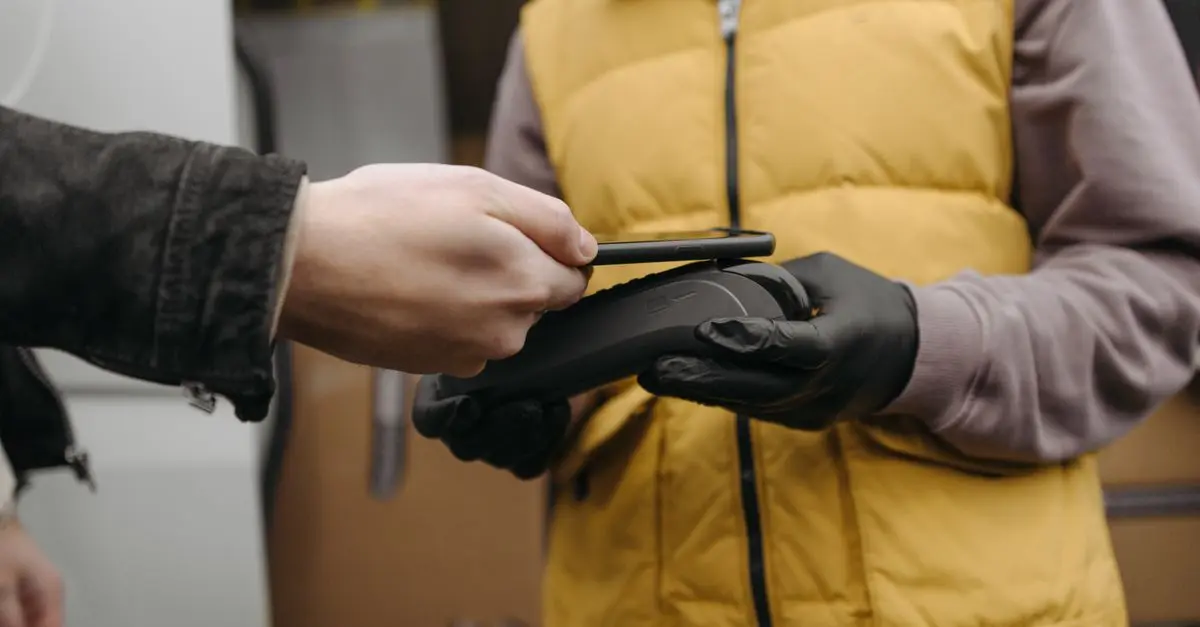
In light of the pandemic, contactless payment technologies gained tremendous traction as consumers sought safer transaction methods. By 2026, contactless payments are predicted to surpass $1 trillion in global transaction volume, fundamentally reshaping consumer behaviour patterns towards cashless payments.
This technology empowers consumers to complete payments through tapping their devices, promoting hygiene and convenience. Retailers equipped with Near Field Communication (NFC) readers can offer swift and safe payment options. Furthermore, the integration of wearables such as smartwatches and fitness bands enhances contactless payments, allowing for seamless transactions during everyday activities.
Conclusion
The future of mobile payments is set to be characterised by rapid technological advancements, focused on user experience, security, and convenience. Innovations like biometric systems, blockchain integrations, and digital wallet ecosystems will redefine how consumers engage in transactions. Staying informed about these trends is vital for consumers and businesses looking to thrive in the dynamic financial landscape of 2026.

CIW Site Development Associate Online Training with Live Labs and Exam (1D0-61B)
Learning 24/7

CIW Data Analyst Specialist Online Training with Live Labs and Exam (1D0-622)
Learning 24/7

🧠 Quiz rapide :
> Quel est le principal avantage des paiements biométriques ?
> - A) Coût inférieur
> - B) Sécurité améliorée
> - C) Facilité d'utilisation
> Réponse : B — Les paiements biométriques garantissent que seule la personne autorisée peut effectuer la transaction.
Checklist avant achat
- [ ] Vérifier le critère de sécurité
- [ ] Comparer les options de paiement
- [ ] S'assurer de l'intégration des fonctionnalités
- [ ] Considérer la réputation des fournisseurs
- [ ] Confirmer le coût total des transactions
Glossaire
| Terme | Définition |
|---|---|
| Biometric Payments | Système de sécurité pour les paiements utilisant des caractéristiques uniques de l'utilisateur, telles que les empreintes digitales ou la reconnaissance faciale. |
| Blockchain | Technologie de registre distribué qui permet des transactions sécurisées et transparentes. |
| Digital Wallet | Application qui permet de stocker divers moyens de paiement et de gérer des transactions à partir d'un smartphone. |
---
📺 Pour aller plus loin : latest trends in mobile payments 2026 sur YouTube
Recommended products
Selected by our experts
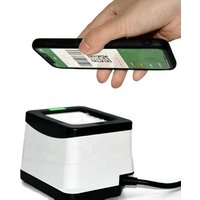
Mobile Payment Box 2D Barcode Reader Rs232 / Usb Qr Code Scanner For Ali / Wechat Pay HS-2001B
Alibaba UK


Elo Touch Solutions E458605 handheld mobile computer accessory Non-charging cradle
Back to the Office


Elo Touch Solutions E906829 handheld mobile computer accessory Non-charging cradle
Back to the Office

Elo Touch Solutions E159758 computer monitor 54.6 cm (21.5") 1920 x 1080 pixels LED Touchscreen Tabletop Black
Back to the Office