Contents (10 sections)
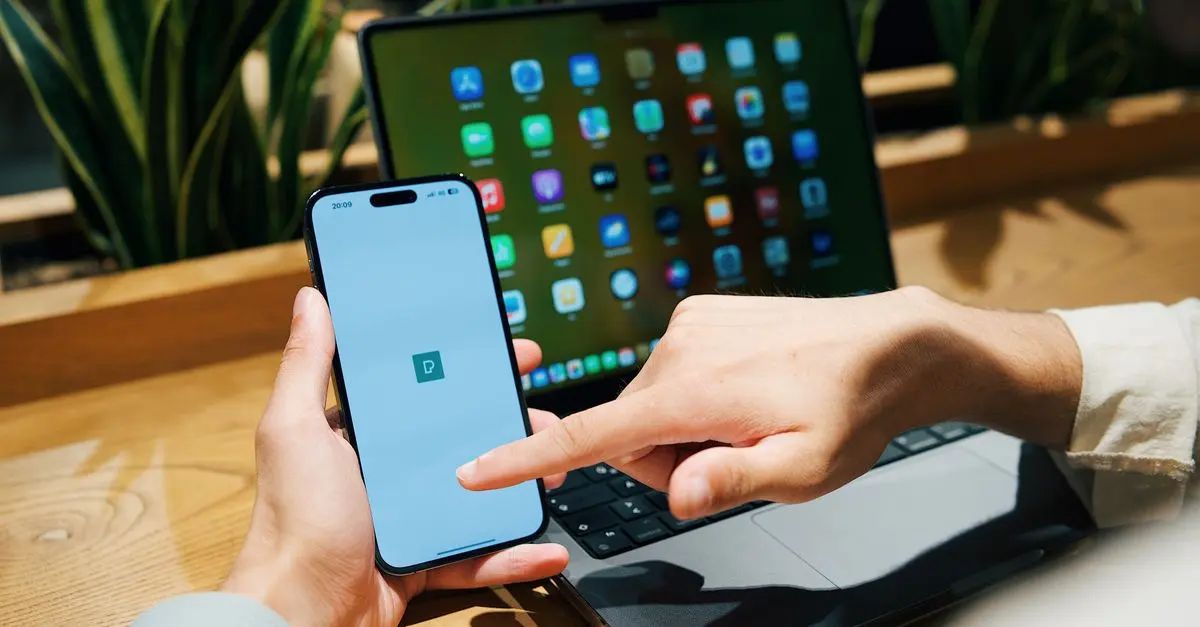
In today’s fast-paced world, the concept of mobile workspaces has become a dominant force in shaping how we approach work. With advancements in technology and a growing demand for flexibility, mobile workspaces are fundamentally altering workplace dynamics. This article delves into the rise of mobile workspaces, exploring their impact on productivity and offering insights into the trends defining this new paradigm.
Understanding Mobile Workspaces
A mobile workspace refers to a flexible working environment that enables employees to work from anywhere, using portable devices and cloud-based applications. As of 2026, approximately 62% of professionals report working outside of traditional office spaces at least part-time, according to findings from Statista. This shift underscores the necessity for organisations to adapt to new working norms that prioritise mobility and accessibility.
Why are mobile workspaces gaining traction? The primary driver is the increased focus on work-life balance. Employees are seeking freedom to choose their work environment, thus enhancing job satisfaction and reducing stress. For instance, a survey from Gallup indicates that 53% of remote workers feel more productive when working outside a traditional office context, leading to a boost in overall workplace efficiency.
As businesses continue to prioritise a mobile-first culture, understanding the elements that contribute to effective mobile workspaces is crucial. Factors such as strong internet connectivity, appropriate technology, and conducive working conditions play a significant role in ensuring productivity remains high.
Key Trends Influencing Mobile Workspaces in 2026
- Cloud Computing Adoption: The widespread implementation of cloud services has been pivotal in the transition to mobile workspaces. This technology allows seamless access to files and applications from anywhere, promoting collaboration among distributed teams. As per Gartner, cloud adoption among businesses is projected to increase by 25% annually, emphasising the shift towards mobile-first solutions.
- Remote Collaboration Tools: Tools facilitating remote communication have become essential. Applications like Slack and Microsoft Teams enable real-time collaboration, making it easier for teams to stay connected, regardless of location. In fact, adoption of such tools has skyrocketed, with a 75% increase in users reported in the last two years alone. These tools not only improve communication but also foster a sense of community among remote workers, contributing to enhanced productivity.
- Increased Cybersecurity Measures: As mobile workspaces expand, so does the need for robust cybersecurity protocols. According to IBM, data breaches attributed to remote working have increased by 40%, prompting organisations to invest more in securing their digital infrastructure. Companies are now adopting multifactor authentication, secure VPNs, and end-to-end encryption to ensure sensitive information remains protected.
- Hardware Innovations: The design and functionality of office equipment are evolving to support mobile work. From lightweight laptops to portable monitors, the market is increasingly catering to mobile professionals. For example, ergonomic mobile desks are now available, allowing individuals to set up functional workspaces wherever they go, significantly contributing to productivity. With over 50% of workers investing in personal productivity tools, it’s evident that the demand for mobile-friendly equipment is on the rise.
- Sustainability Initiatives: As awareness surrounding environmental sustainability grows, so does the design of mobile workspaces that prioritise eco-friendliness. Utilising energy-efficient devices and reducing waste through a mobile-first approach is becoming common practice. According to McKinsey, companies that adopt sustainable practices see a 10% increase in employee satisfaction, indicating that employees appreciate their employer’s commitment to environmental stewardship.
- Hybrid Work Models: The balance between remote and onsite work has paved the way for hybrid models. This approach not only allows flexibility but also ensures that employees maintain connections with their teams. A Deloitte study suggests that companies with hybrid models experience a 15% increase in overall productivity, highlighting the effectiveness of this working style.
The Impact of Mobile Workspaces on Productivity
Mobile workspaces dramatically reshape productivity. Working from varied environments allows for more comfortable and personalised settings, catering to individual preferences. Many employees report increased concentration and creativity when working remotely, significantly impacting the quality of output.
Furthermore, mobile workspaces eliminate the commuting time that drains energy and time. This increase in flexibility can lead to extended working hours without the typical fatigue associated with long office hours, effectively improving output. As reported by Forbes, employees save an average of 1.5 hours daily by working remotely, which can be redirected towards increased productivity.
Charting Future Growth – Comparative Analysis of Workspace Preferences
| Criterion | Mobile Workspace | Traditional Office | Hybrid Workspace | Verdict |
|---|---|---|---|---|
| Flexibility | High | Low | Moderate | Mobile leads in flexibility. |
| Collaboration | Varies (tool-dependent) | Moderate | High | Hybrid excels in teamwork. |
| Productivity Levels | High (context-dependent) | Moderate | High | Mobile enhances personal efficiency. |
| Employee Satisfaction | Generally High | Lower than mobile | Very High | Hybrid environments boost morale. |
The rise of mobile workspaces marks a significant transition in how we perceive work and productivity. Embracing this new paradigm enables businesses to adapt to changing employee expectations while fostering a more dynamic workforce. As organisations strive to create innovative working conditions, adopting mobile work practices will remain integral to achieving sustained productivity and employee satisfaction.
💡 Expert Opinion: The modern workplace is no longer bound by office walls. Embracing mobility transforms how we work, encouraging flexibility and innovation. Our experiences affirm that companies prioritising mobile workspaces are more competitive and in tune with employee needs.
- What are mobile workspaces?
A mobile workspace allows employees to work from various locations using portable technology and cloud-based software.
- Why are mobile workspaces beneficial?
They improve work-life balance, enhance productivity, and enable flexible working conditions.
- What tools support mobile workspaces?
Remote collaboration tools such as Slack and Microsoft Teams are essential for effective communication in mobile workspaces.
- How do mobile workspaces impact employee satisfaction?
They contribute to higher employee satisfaction due to increased autonomy and a reduction in commute time.
Glossary
| Term | Definition |
|---|
| Cloud Computing | Delivery of computing services over the internet, enabling access to data anywhere.
| Cybersecurity | Measures taken to protect digital data from unauthorised access.
| Hybrid Work Models | A flexible working arrangement combining remote and onsite work.
Checklist before Transitioning to Mobile Workspaces
- [ ] Evaluate the current technology available.
- [ ] Conduct employee surveys for workspace preferences.
- [ ] Foster a culture of trust and flexibility.
- [ ] Invest in robust cybersecurity measures.
- [ ] Provide comprehensive training on remote collaboration tools.


StarTech.com Mobile Standing Desk - Portable Sit Stand Ergonomic Height Adjustable Cart on Wheels
Back to the Office

📺 Video Resources
> 📺 For deeper insight: Explore the advances in mobile workspaces and productivity in 2026. Search on YouTube: mobile workspaces trends 2026.
📺 Pour aller plus loin : mobile workspaces trends 2026 sur YouTube
Recommended products
Selected by our experts

StarTech.com 4-Port Thunderbolt 5 Hub with Thunderbolt Share KVM, 80/120Gbps, 8K Multi-Display, 140W PD, USB-A 10Gbps, TB4 & USB4, MacBook M4 Pro M4
Back to the Office