Contents (13 sections)
Introduction
The intersection of wearable technology and mobile connectivity is revolutionising how we interact with our devices. As we stand in 2026, wearable tech is no longer a futuristic vision; it is a reality shaping our daily experiences. This article delves into major trends, providing insights into how they influence our mobile lifestyles.
Information: What is Wearable Tech?
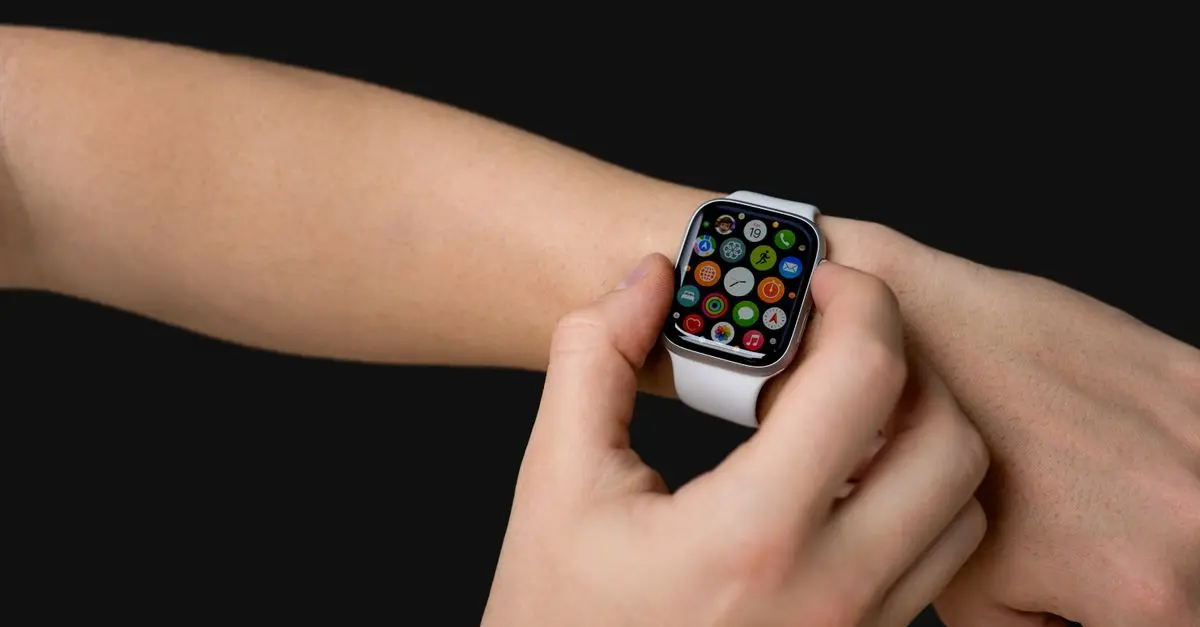
Wearable technology refers to electronic devices worn on the body, often used to collect data, track activities, and enhance the wearer’s lifestyle. Wearables, such as smartwatches and fitness trackers, bridge the gap between mobile phones and personal health, offering real-time information and seamless communication.
The significance of wearable tech lies in its capacity for personalisation and real-time connectivity. As users increasingly seek convenience and personal data insights, wearables become integral to their lives. According to Statista, the global wearable device market is projected to grow from 342 million in 2021 to over 1 billion devices by 2026, indicating a massive shift towards more connected forms of technology.
Understanding wearable tech's potential can guide consumers in making informed decisions, ensuring they leverage its benefits effectively.
Procedural: How to Integrate Wearable Tech into Your Life
Incorporating wearable technology into daily life can seem daunting, yet it promises significant advantages. Here’s a step-by-step guide to help you seamlessly integrate these gadgets:
- Identify Your Needs: Determine what aspect of your life could benefit most from wearables, be it fitness, communication, or health monitoring.
- Research Options: Explore devices that align with your requirements. Resources like UFC-Que Choisir can provide valuable reviews and comparisons to inform your choice.
- Set Goals: Define clear goals, such as steps per day or sleep targets, and configure these in your device settings.
- Consistency is Key: Regular usage is vital. Wear your device daily and review the data insights to adjust your habits accordingly.
- Stay Updated: Technology evolves quickly, so keep your devices updated for the latest features and security patches.
Following these steps not only maximises wearables’ benefits but also integrates them into your lifestyle effortlessly.
Comparative: Key Trends in Wearable Technology
The wearable tech landscape is evolving rapidly, with several trends standing out in 2026:
Trend 1: Biometric Monitoring
The future of wearables prominently features enhanced biometric monitoring capabilities, tracking metrics like stress levels and blood pressure.
| Technology | Feature | Benefit | Challenge |
|---|---|---|---|
| Smartwatches | Heart rate monitoring | Health insights | Battery life |
| Fitness bands | Sleep tracking | Improved rest | Data accuracy |
| Health sensors | Oxygen levels | Medical aid | Cost |
Trend 2: Integration with Augmented Reality (AR)
Wearables are set to integrate seamlessly with AR technology, enhancing user interaction with virtual and real-world elements.
These devices create immersive experiences, from virtual meetings to enhanced navigation. According to Gartner, AR-integrated wearables could increase worker productivity by up to 25%.
Trend 3: Eco-friendly Designs
Eco-sustainability in wearables is gaining traction, with manufacturers prioritising sustainable materials and energy-efficient designs.
Efforts to reduce carbon footprints align with growing environmental concerns, fostering responsible consumerism. According to the ADEME, these changes play a crucial role in reducing electronic waste.
Analytical: Data-Driven Insights
Exploring wearable tech statistics highlights its profound impact:
- The global wearables market is expected to reach £60 billion by 2026, growing at a CAGR of 17% (source: INSEE).
- Fitness trackers make up 35% of wearable sales, with smartwatches following at 30%.
- 60% of users report increased physical activity due to fitness wearables.
These insights suggest a burgeoning market driven by consumers’ desire for health-centric gadgets.
- Q: What is the primary benefit of wearable tech?
A: Personal health insights and real-time connectivity.
- Q: Are wearables eco-friendly?
A: Increasingly yes, with more brands adopting sustainable practices
- Q: Can wearables replace smartphones?
A: Not entirely, but they complement them by enhancing connectivity.
- Q: How often should I update my wearable device?
A: Regularly update to access new features and maintain security.
Glossary
| Terme | Définition |
|---|---|
| Wearables | Devices worn on the body to collect and exchange data. |
| Biometric Monitoring | Tracking of physical metrics like heart rate and stress. |
| Augmented Reality (AR) | Technology enhancing real-world elements through digital layers. |
Checklist Before Adopting Wearable Tech
- [ ] Determine specific needs
- [ ] Analyse expert reviews
- [ ] Set realistic goals
- [ ] Maintain regular usage
- [ ] Update devices often
📺 Video Resource
> 📺 For further understanding: The rise of wearable technology, a comprehensive analysis on integrating wearables into everyday life. Search YouTube: “wearable technology trends 2026”.
🧠 Quiz rapide : Can wearables fully replace smartphones in daily tasks?
- A) Yes
- B) No
- C) Partially
Réponse : C — While wearables offer great connectivity, they are complementary to smartphones.