Contents (10 sections)
What is Mobile Artificial Intelligence?
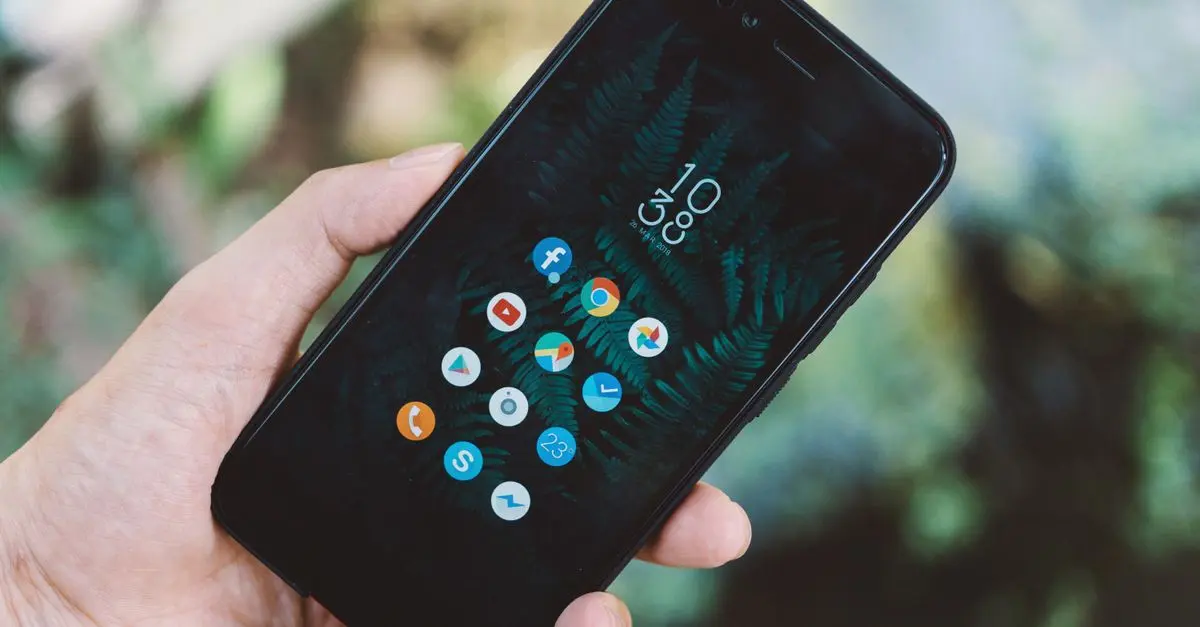
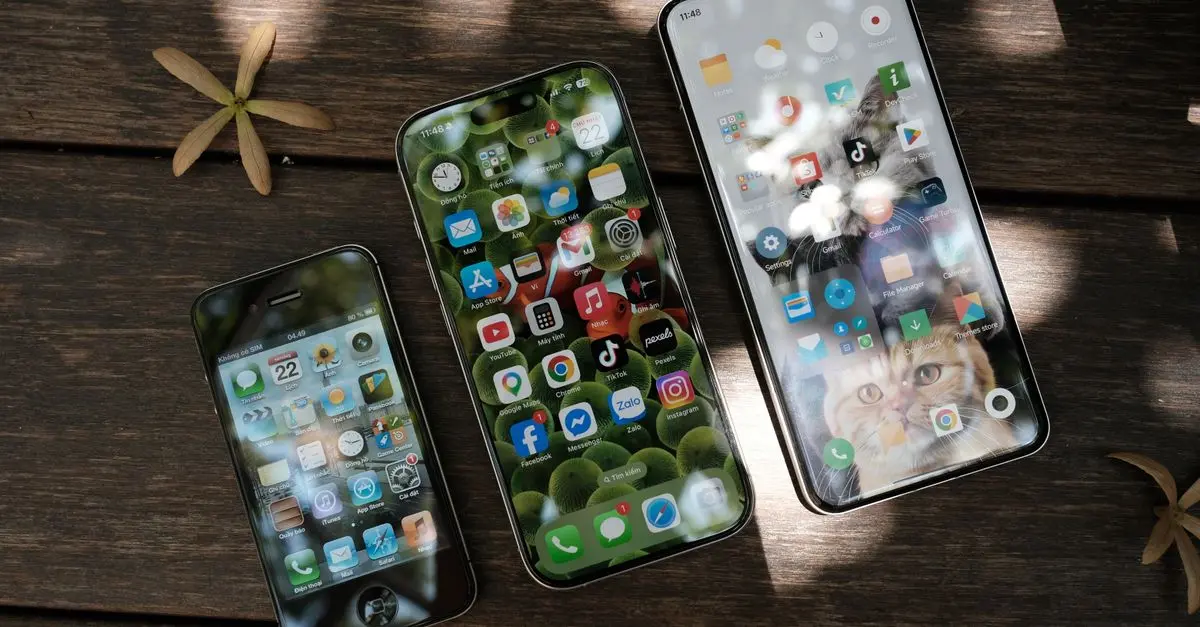
Mobile Artificial Intelligence (AI) refers to the integration of AI capabilities within mobile devices, enabling them to perform tasks that typically require human intelligence. These tasks include speech recognition, image analysis, and decision-making. The rise of smart assistants like Siri and Google Assistant epitomises the integration of mobile AI. According to Statista, by 2026, AI-driven apps are expected to occupy over 70% of the app market.
With AI, mobiles are not just communication tools but are evolving into comprehensive personal assistants. From recognising voices to predicting user behaviour, mobile AI is enhancing user experience by offering personalised services. According to Gartner, mobile AI technologies are projected to grow by 30% annually, heralding a new era for mobile technology.
The Impact of AI on Mobile Technology
The integration of AI in mobile technology revolutionises how devices operate and interact with users. Artificial intelligence optimises hardware performance, improves battery life, and enhances camera capabilities through features like real-time photo enhancement. As TechCrunch states, AI can reduce app latency by up to 40%, thus providing a more seamless user experience.
AI's influence is profound in personalisation. For example, music and streaming apps utilise AI to analyse user preferences and suggest content accordingly. This feature not only enriches the user experience but also increases engagement, as highlighted by data from App Annie.
How to Leverage AI Features on Mobile Devices
Understanding how to tap into AI features on your mobile device can enhance daily productivity. Here are steps to make the most of your AI-enabled mobile device:
- Utilise the Smart Assistant: Voice commands to assistants like Alexa can manage tasks, set reminders, and answer queries.
- Explore AI-Driven Apps: Download apps that leverage AI for efficiency, such as photo editing tools or language translation apps.
- Customise Notifications: Use AI settings to prioritise notifications, ensuring you receive only essential alerts.
- Engage with AI for Routine: Set up AI routines to automate daily tasks like adjusting thermostat settings or controlling smart home devices.
These steps ensure you're maximising the potential benefits that mobile AI offers.
Comparison of AI Frameworks in Mobile Solutions
| Feature | TensorFlow Lite | Core ML | Microsoft ML | Verdict |
|---|---|---|---|---|
| Platform | Android/iOS | iOS | Cross-Platform | Most Flexible |
| Usability | Easy | Very Easy | Moderate | Core ML Best |
| Speed | Fast | Moderate | Fast | Faster Options |
| Community | Large | Growing | Moderate | TensorFlow Wins |
Current Trends and Statistics in Mobile AI
With mobile AI technologies reaching new heights, understanding trends is crucial. IDC predicts that 90% of smartphone users will directly interact with some form of AI on their devices by 2026. Moreover, AI's role in optimizing mobile applications is becoming more significant, with apps reducing lag times by employing predictive algorithms.
Security remains a central concern with mobile AI, prompting the development of robust AI-driven security apps. As per Forrester Research, AI-enhanced security measures are projected to thwart 85% of mobile phishing attacks by 2026. Such advancements underscore AI's pivotal role in safeguarding user data.
What is mobile artificial intelligence?
Mobile artificial intelligence refers to AI capabilities integrated into mobile devices to enable tasks like voice recognition and image processing.
How does AI benefit mobile devices?
AI boosts device performance by improving efficiency, personalisation, and security through features such as predictive text and smart assistants.
What are the popular AI frameworks for mobile?
Popular frameworks include TensorFlow Lite, Core ML, and Microsoft ML, each offering various benefits for developers.
Is my data safe with AI apps?
AI apps continuously enhance security measures, and by 2026, they are expected to prevent the majority of mobile-related cyberattacks.
📺 Ressource Vidéo
> 📺 Pour aller plus loin : Exploring AI Features in Mobile Devices, a detailed look into AI applications in mobile technology. Recherchez sur YouTube : "mobile AI technology 2026".
Glossary
| Terme | Définition |
|---|---|
| Machine Learning | A subset of AI that enables machines to learn from data and enhance their tasks. |
| Smart Assistant | AI-driven software that performs tasks or services based on user commands. |
| Predictive Algorithms | Algorithms used to forecast future behaviour based on historical data. |
💡 Avis d'expert : AI in mobile technology not only enhances performance but also personalises experiences, shaping the future of mobile computing. Keeping up with trends ensures optimal use of these advancements.
🧠 Quiz rapide : How much of the app market is projected to be AI-driven by 2026?
- A) 50%
- B) 70%
- C) 90%
Réponse : B — AI-driven apps will occupy over 70% of the market, showcasing their growing influence.