Contents (17 sections)
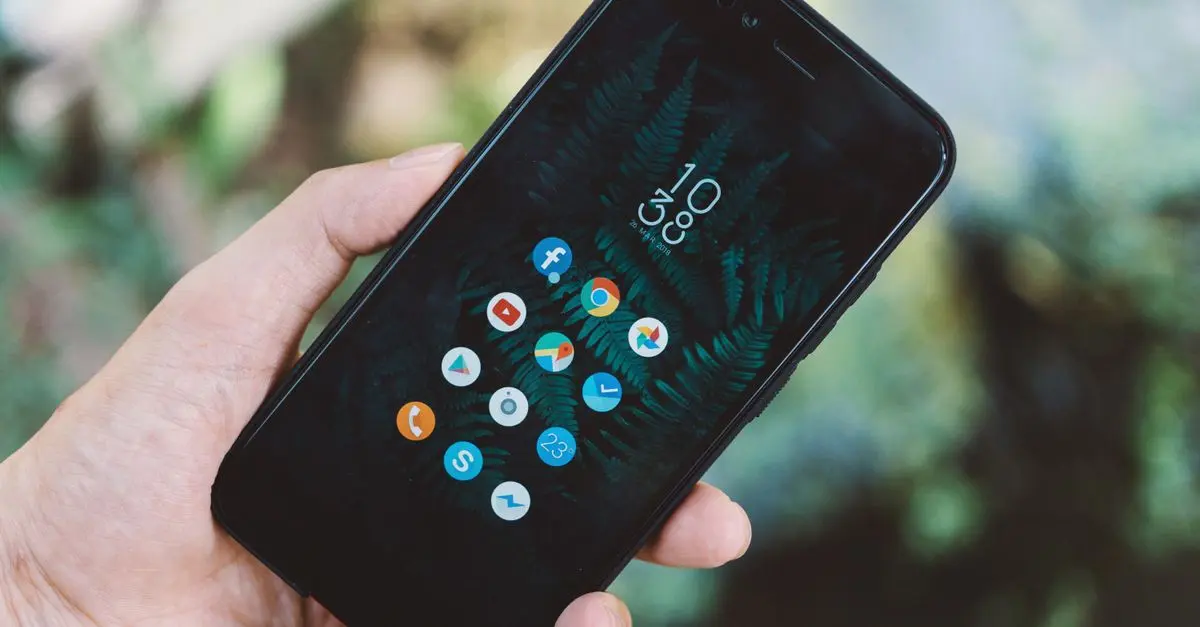
In today's fast-paced digital landscape, our smartphones are not just communication tools; they are repositories of personal information and gateways to our digital lives. With the increase in mobile device usage, mobile security best practices have never been more critical. This guide will delve into effective strategies to safeguard your mobile devices against potential threats and ensure your privacy remains intact.
1. Understanding Mobile Security
Mobile security refers to the protection of personal and corporate information stored on mobile devices from various threats such as malware, hacking, and data theft. According to a 2025 report by Symantec, over 60% of mobile users have experienced cyber threats, highlighting the growing need for robust mobile security. This concept not only encompasses protecting the hardware but also securing applications and the networks through which they connect.
The stakes are high; a compromised mobile device can lead to unauthorized transactions, identity theft, and significant financial losses. As more people use mobile banking and shopping, understanding mobile security best practices is vital.
2. Step-by-Step Guide to Securing Your Mobile Device
Here are essential steps to enhance your mobile security:
Step 1: Set a Strong Password or Biometrics
Start by ensuring your device is protected with a strong password, PIN, or biometric security (like facial recognition or fingerprint scanning). Weak passwords are the easiest entry point for cybercriminals. In fact, NIST recommends using a minimum of 12 characters, mixing uppercase, lowercase, numbers, and symbols. Avoid using predictable sequences or easily obtainable personal information.
Step 2: Keep Your Operating System Updated
Regularly updating your mobile operating system is crucial. Updates often contain security patches that protect against newly discovered vulnerabilities. Make it a habit to check for updates weekly or enable automatic updates.
Step 3: Be Cautious with Apps
Install applications only from reputable sources like the Apple App Store or Google Play Store. Third-party apps can be a significant risk, often loaded with malware. Regularly review the apps on your device and remove any that you don’t use; these can become backdoors for cyber threats.
Step 4: Enable Remote Wipe Features
In the unfortunate event that your phone gets stolen, having remote wipe features enabled can save your sensitive data from falling into the wrong hands. Both Android and iPhone offer options to remotely lock your device and erase data, so ensure this feature is activated before an incident occurs.
Step 5: Use VPNs When Connecting to Public Wi-Fi
Avoid using public Wi-Fi for sensitive transactions unless you’re using a Virtual Private Network (VPN). Public networks are notoriously insecure, exposing your data to cybercriminals. A trustworthy VPN encrypts your internet connection, adding an extra layer of security.
Step 6: Regularly Backup Data
Ensure that you regularly back up your data, either to a cloud service or a physical storage device. This practice ensures that even if you experience a device failure or data loss, you won’t lose important files or contacts. Automating your backups can help maintain consistency and make the process almost effortless.
Step 7: Monitor App Permissions
Be mindful of the permissions you grant to the apps on your device. For instance, if a simple game requests access to your contacts or location, think twice before proceeding. You can regularly review and adjust app permissions in your device settings to limit exposure to sensitive data.


3. Interactive Quiz on Mobile Security Practices
> 🧠 Quiz rapide : Which of the following is a key step for mobile security?
> - A) Using weak passwords
> - B) Regularly updating the OS
> - C) Ignoring app permissions
> Réponse : B — Regularly updating your operating system is a crucial security measure.
4. Comparative Analysis of Mobile Security Tools
For enhanced security, using antivirus software or mobile security apps can provide additional protection. Below is a comparative table of popular security solutions:
| Feature | Mobile Security Solution A | Mobile Security Solution B | Mobile Security Solution C | Verdict |
|---|---|---|---|---|
| Malware Protection | Yes | Yes | Yes | All effective |
| VPN Included | No | Yes | Yes | Solution B and C better |
| Parental Control | Yes | No | Yes | Solution A and C better |
| Cost | £30/year | £20/year | £15/year | Solution C is cheapest |
5. Frequently Asked Questions (FAQ)
Q: What should I do if my phone is lost or stolen?
A: Immediately activate the remote wipe feature to secure your data and contact your service provider to block the device.
Q: Is public Wi-Fi safe to use?
A: Public Wi-Fi can be dangerous; always use a VPN to encrypt your connection when accessing the internet in public spaces.
Q: How can I tell if an app is safe?
A: Look for apps with positive reviews, check their download statistics, and verify the developer’s credibility.
Q: How often should I update my passwords?
A: It is recommended to change passwords every three to six months, or immediately if you suspect a security breach.
Checklist Before Securing Your Mobile Device
- [ ] Set a strong password or enable biometrics.
- [ ] Keep the operating system updated.
- [ ] Install apps from trusted sources only.
- [ ] Enable remote wipe features.
- [ ] Use a VPN on public Wi-Fi connections.
- [ ] Regularly back up important data.
- [ ] Monitor and adjust app permissions.


WOOX Wifi Indoor Camera, 2K Pet Dog Cameras with App, 360? Home Security Camera
onbuy.com

Glossary
| Terme | Définition |
|---|---|
| Mobile Security | Protection of personal and corporate data stored on mobile devices. |
| VPN (Virtual Private Network) | A tool that creates a secure connection over the internet to protect users' privacy. |
| Malware | Malicious software designed to harm or exploit any programmable device or network. |
📺 Resource Video
> 📺 For further insights: Understanding Mobile Security Threats, a detailed exploration of common threats and preventative strategies. Search on YouTube: mobile security tips 2026.
In conclusion, employing these mobile security best practices is essential for protecting your device and personal data. A proactive approach, including regular updates, strong passwords, and cautious app management, will significantly reduce your risk of cyber threats. For further enhancement of your mobile security, we have selected several products adapted for your needs.
Recommended Products
- Introduction to Microsoft Power BI Training Course - Discover the fundamentals of data security and analysis.
- Cyber Security Awareness & Prevention Online Training Course - Learn crucial skills to protect against cyber threats.
- CompTIA A+ Certification (220-1201 & 220-1202) Online Training Bundle - Enhance your IT knowledge with essential security training.
📺 Pour aller plus loin : mobile security tips 2026 sur YouTube
Recommended products
Selected by our experts

Tapo C211 2K 3MP Pan/Tilt Indoor Camera House Security Camera, WiFi Camera, No M
onbuy.com

Tapo C210 2K 3MP Pan/Tilt Indoor Camera House Security Camera, WiFi Camera, No M
onbuy.com

CIW JavaScript Specialist Online Training with Live Labs and Exam (1D0-735)
Learning 24/7

Tapo Wifi Indoor Camera, 2K 3MP Full HD Baby Camera, 360? Security Camera, Wirel
onbuy.com


Codnida 2K Security Camera Outdoor, 360? PTZ WiFi Camera, CCTV Camera with 24/7
onbuy.com