Contents (16 sections)
As we move further into the digital age, the notion of a 'mobile lifestyle' continues to evolve. With 2026 approaching, we are witnessing profound changes in how we interact with our mobile devices. In this article, we'll explore the top 10 mobile lifestyle trends to watch, each showing how technology aligns with our everyday lives, influencing habits, and realities.
1. Rise of the "Wearable Ecosystem"
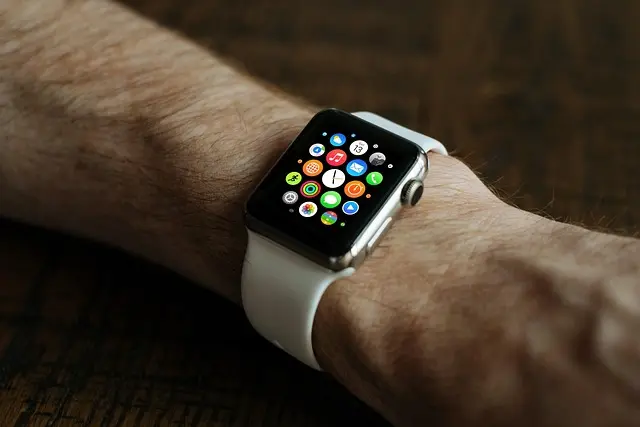
The proliferation of wearable technology has drastically changed how we engage with our mobile lifestyle. Statista reports that the global wearable device market will reach approximately £87 billion by 2026. This surge emphasizes the importance of wearables like smartwatches, fitness trackers, and future innovations in health monitoring.
These devices offer seamless integration with smartphones, allowing users to access notifications, track physical activity, and even monitor health metrics such as heart rate and sleep patterns, all from their wrist. As wearable technology becomes more sophisticated, we expect to see features like blood sugar monitoring and advanced ECG capabilities become commonplace. The push towards self-health monitoring has made wearables a vital part of a healthy lifestyle.
💡 Expert Insight: Many users have reported feeling more motivated to maintain their fitness levels with these devices, suggesting a direct correlation between wearables and increased physical activity.
2. Enhanced Mobile Payment Solutions
The mobile payment landscape has witnessed remarkable advancements, with more users opting for contactless payment methods. According to recent studies, over 75% of consumers in urban areas now prefer mobile payments to traditional cash. As fintech companies continue to innovate, the ability to make secure and instant payments via smartphones will shape our financial interactions.
Beyond convenience, this trend encapsulates increased consumer confidence in digital security measures, thanks to technologies like biometric authentication and end-to-end encryption. It's anticipated that by 2026, mobile payments will not only include transactions but also personalised offers and loyalty rewards, enhancing the user experience.


6 Oz Hip Flask-Lifestyle 6 Oz Hip Flask-Lifestyle - 13.5(h) x 10(w) x 2.2(d) cm - Black - Ls601/6Ozct
Case Luggage

3. Increased Focus on Sustainability
More than ever, consumers are prioritising sustainable choices within their mobile lifestyles. Mobile companies are responding, implementing eco-friendly practices in production, packaging, and user services. Research shows that nearly 60% of smartphone buyers consider a brand’s environmental policies when making a purchase.
This trend includes the rise of second-hand marketplaces for devices, allowing users to recycle or sell old gadgets, reducing e-waste. Furthermore, brands that offer environmentally friendly accessories and energy-efficient products are gaining traction, with more consumers looking for ethical and responsible options. Therefore, sustainability will become a core pillar for mobile lifestyle brands moving forward.
4. Integration of Augmented Reality (AR)
AR technology is set to redefine how consumers interact with their surroundings and products. From virtual try-ons in fashion to immersive gaming experiences, AR bridges the gap between the digital and physical worlds. According to a report by Gartner, AR technology is expected to be utilised by over 1 billion consumers worldwide by 2026.
This level of integration allows for tailored experiences, enhancing shopping or interior design processes. For instance, users can visualise how a new sofa might look in their home before making a purchase, ultimately leading to better consumer decision-making and satisfaction. Businesses that leverage AR effectively will likely thrive in a highly competitive landscape.
5. The Convergence of AI and Mobile
Artificial Intelligence is becoming increasingly embedded within mobile applications, shaping user experiences through personalisation. AI algorithms help provide tailored content and streamline functions like customer support through chatbots. As mobile devices become smarter, we can expect to see AI facilitating everything from smart scheduling to predictive text and voice recognition.
Over 80% of smartphone users use personal assistants like Siri and Google Assistant, showcasing the need for more AI-driven applications that respond to user preferences and behaviours. The potential of AI in future mobile innovations will continuously reshape how we communicate and operate daily.
6. Privacy and Data Security Enhancements
As digital interactions grow, so do concerns over privacy and data security. With high-profile data breaches becoming more common, consumers are increasingly wary of how their information is used. A report by Pew Research indicates that 86% of users have taken steps to protect their personal information online.
Expect to see mobile platforms and services investing heavily in robust security features, such as end-to-end encryption and transparent privacy policies. Companies that prioritise user security will likely gain trust and loyalty from consumers.


7. 5G and The Internet of Things (IoT)
The rollout of 5G technology is anticipated to revolutionise connectivity, providing lightning-fast internet speeds and enhanced network reliability. This advancement directly impacts the mobile lifestyle as IoT devices multiply, leading to smarter homes and environments.
By 2026, the number of IoT devices is projected to reach 30 billion. With 5G, these devices will seamlessly communicate, offering unparalleled user experiences in automation and real-time interactions. From smart refrigerators to self-driving cars, the future of mobility is interlinked with constant connectivity.
| Trend | Importance | Challenges | Predictions |
|---|---|---|---|
| Wearable Ecosystem | Health tracking | User adoption | Market growth to £87 billion |
| Mobile Payments | Convenience | Security concerns | More personalised offers |
| Sustainability | Eco-consciousness | Higher production costs | Increased eco-friendly devices |
| AR Integration | Enhanced shopping experiences | Tech literacy concerns | Mainstream acceptance |
| AI and Mobile | Personalisation | Privacy issues | Ubiquitous AI applications |
The move toward transparency will play into the hands of brands that authentically engage consumers, making their marketing more effective. Companies that uphold community guidelines around mental health and wellbeing will foster greater loyalty and trust.
9. Remote Work and Digital Collaboration
As remote work has solidified itself in the professional landscape, mobile tools for collaboration and productivity are more crucial than ever. According to a study by McKinsey, teams using digital collaboration tools report a 25% increase in productivity.
The mobile workforce demands high-performance applications that foster communication and project management, enabling seamless interactions across geographical boundaries. By 2026, robust applications that assist hybrid working models will dominate the market.
10. The Future of Mobile Gaming
Mobile gaming is continuously evolving, with the market projected to reach over £100 billion by 2026. As smartphones become more capable, game developers are releasing increasingly complex and immersive games.
Cloud gaming technology will allow users to play high-fidelity games on any device, further blurring the lines between console and mobile gaming. Enhanced graphics and engaging storylines will entice more consumers, turning gaming into a fully mobile experience.
📺 For further exploration:
[The Evolution of Mobile Technology], a comprehensive analysis of upcoming trends. Search on YouTube: "future of mobile technology 2026".
Conclusion
Embracing these mobile lifestyle trends will empower consumers and businesses alike. As technology continues to evolve, understanding these trends can help prepare for a future where connectivity, sustainability, and personalisation are paramount.
Glossary
| Terme | Définition |
|---|---|
| Wearable Technology | Devices worn on the body capable of tracking various data and integrating with smartphones. |
| Augmented Reality (AR) | A technology that superimposes digital information over a user's view of the real world. |
| Internet of Things (IoT) | A system of interrelated devices that can collect and exchange data without direct human intervention. |
Checklist before adopting mobile trends
- [ ] Assess your current mobile usage
- [ ] Research wearable technology options
- [ ] Explore mobile payment solutions available
- [ ] Consider sustainable device choices
- [ ] Review the latest AR applications
📺 Pour aller plus loin : future of mobile technology 2026 sur YouTube
Recommended products
Selected by our experts


6 Oz Hip Flask-Lifestyle 6 Oz Hip Flask-Lifestyle - 13.5(h) x 10(w) x 2.2(d) cm - Tan - Ls601/6Ozct
Case Luggage