Contents (13 sections)
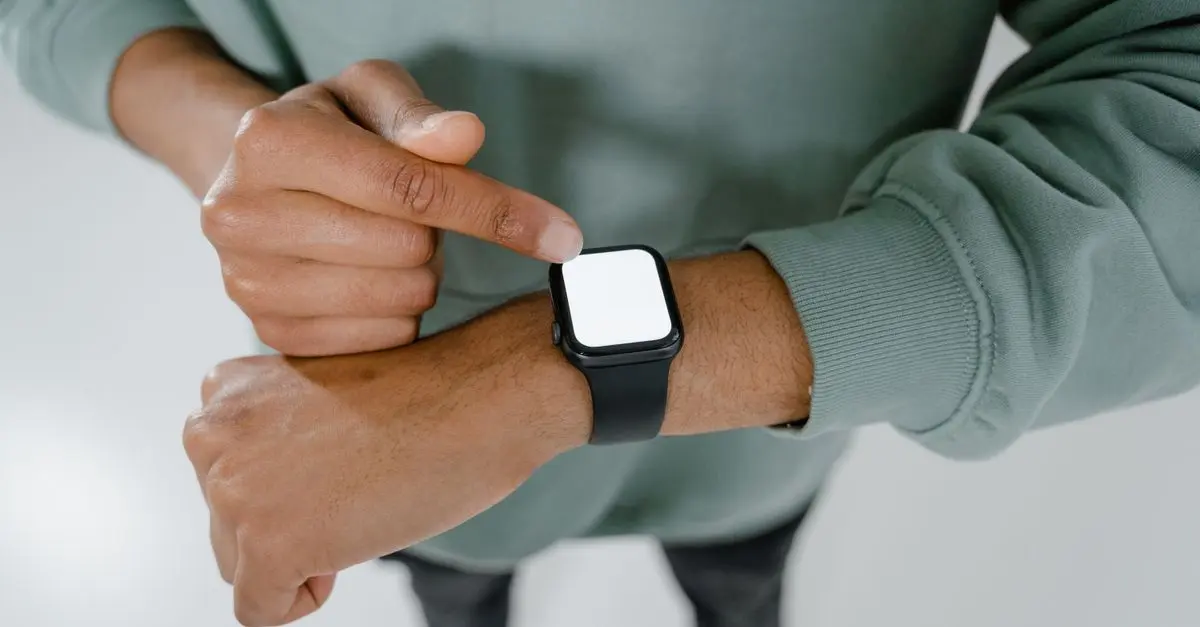
Over the past few years, smart wearables have fundamentally transformed how we interact with our mobile devices. These innovative gadgets, ranging from smartwatches to fitness trackers, are designed to complement our lifestyle by providing quick access to information, monitoring health metrics, and enhancing connectivity. According to a report from Gartner, the wearable device market is projected to grow exponentially, with sales expected to exceed 500 million units by 2026. This shift is indicative of our increasing reliance on technology to integrate seamlessly into our daily routines.
The advancements in wearable technology are driven by rapid innovations in sensor technology, battery life, and wireless connectivity. Moreover, as consumers become increasingly health-conscious, the demand for devices that monitor fitness and health parameters has risen dramatically. Wearables are not just gadgets anymore; they are essential tools that promote a healthier, more active lifestyle.
Major Trends Shaping Smart Wearables in 2026
Integration of AI and Personalisation
One significant trend in smart wearables is the integration of artificial intelligence (AI). Wearables are evolving beyond passive data collection; they now actively analyse the data they collect to provide actionable insights. For example, some smartwatches use AI to offer real-time health advice based on your heart rate, sleep patterns, and activity levels.
Personalisation is crucial—the devices adapt to your unique lifestyle and preferences. According to a study by Statista, approximately 70% of consumers prefer wearables that offer personalised recommendations. This trend reflects a growing expectation for technology to understand and cater to individual user needs. For instance, AI algorithms can predict a user’s fatigue levels and suggest optimal rest periods or exercise schedules, enhancing both usability and functionality. This shift towards personalisation not only improves user engagement but also boosts overall health outcomes.
Enhanced Health Monitoring Features
The health monitoring capabilities of smart wearables have dramatically improved. Now equipped with advanced sensors, wearables can track everything from heart rate and sleep quality to more complex indicators such as blood pressure and blood oxygen levels. A 2026 report by the World Health Organization indicates that the demand for health-monitoring wearables has surged, driven by a global focus on preventive healthcare.
Wearables that monitor vital health metrics empower users to take charge of their wellbeing. For example, recent innovations include ECG capabilities that can detect irregular heart rhythms, a feature lauded for its potential life-saving implications.
Social Connectivity and Networking
Smart wearables are increasingly designed to facilitate social connectivity. Features such as messaging, call notifications, and compatibility with social media platforms have become standard. By allowing users to respond to notifications directly from their wrist, wearables enable a more integrated mobile experience. A research study from Pew Research Center found that over 60% of wearable users feel that these devices enhance their ability to stay connected with family and friends.
These enhancements foster a sense of belonging and community among users, as they share progress and health data with peers, encouraging each other. Future developments may include more advanced networking features, making wearables not only practical but also social tools.
Sustainability and Eco-friendliness
In response to growing environmental concerns, manufacturers are designing smart wearables with sustainability in mind. Materials used in production are increasingly eco-friendly, and companies promote recycling programs for outdated devices. According to GlobalData, nearly 45% of consumers in 2026 are willing to pay a premium for eco-friendly devices. Companies like Fitbit and Apple lead the charge by implementing sustainable practices throughout their entire product lifecycle—from sourcing materials to energy-efficient production. This trend not only resonates with eco-conscious consumers but also reflects a broader industry movement towards sustainability.
Increased Battery Life and Performance
Battery technology has progressed significantly, addressing one of the most common frustrations of wearable users. New power-efficient processors and battery materials are being developed, resulting in longer battery lives. For example, some smartwatches now offer multi-day battery life compared to their predecessors that required daily charging. A report from ABI Research states that battery innovations will be pivotal in the ongoing success of smart wearables, improving user experience and device adoption rates.
Adoption of 5G Technology
The introduction of 5G technology heralds a new era for smart wearables, enabling faster data transfer, enhanced connectivity, and improved overall performance. Wearables will benefit from reduced latency, allowing for instant notifications and real-time health monitoring. A study by IHS Markit predicts that 5G will enable wearable devices to become more integrated with broader IoT networks, facilitating smart home functionalities and increasing interactive experiences.
Growth of Smart Clothing
Notably, smart clothing is gaining traction as a wearable solution. These garments incorporate sensors that monitor various health metrics and performance data directly from the fabric. For instance, smart shirts can track heart rates and calories burned during workouts. This new category of wearables is expected to see steady growth in 2026, appealing to fitness enthusiasts and tech-savvy consumers alike.
📺 Resource Video
Explore our deep dive into smart wearable technologies and their impact on mobile lifestyles. Search YouTube for "smart wearables trends 2026" for insightful reviews and perspectives.
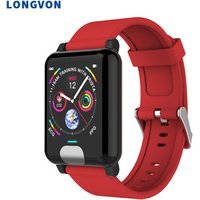
ECG GPS Smart Watch Smartwatch Smartband with ECG Wearable ECG Monitor EKG Smart Band Bracelet Watch
Alibaba UK

Oura Ring 4 – Ceramic Midnight – Size 10 (Smart Ring, Sleep, Heart Rate & Fitness Tracking, iOS/Android)
gadcet.com
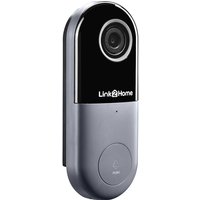
Checklist before purchase
- [ ] Research current wearable technology trends
- [ ] Consider battery life and performance ratings
- [ ] Check health monitoring features available
- [ ] Assess compatibility with your existing devices
- [ ] Look for eco-friendly certifications
Glossary
| Terme | Définition |
|---|---|
| Wearable Tech | Dispositifs technologiques portables qui surveillent la santé ou améliorent la connectivité. |
| AI | Intelligence artificielle, la capacité d'une machine à apprendre et s'adapter. |
| 5G | Cinquième génération de technologie mobile, offrant des connexions ultra-rapides. |
{ "question": "How do smart wearables enhance health monitoring?",
Recommended products
Selected by our experts
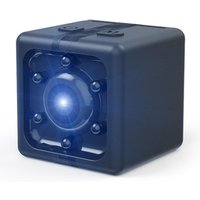
JAKCOM CC2 Smart Compact Camera New Product of Mini Camcorders Hot sale as button smart family wearable camara
Alibaba UK

MOES Mini DIY Tuya ZigBee Smart Light Switch Module, Tuya Zigbee Hub Required, Wireless Control, Voice Assistant Integration, Easy Installation with N
Amazon Sellers Programme (UK)

2019 high quality New Bluetooth Smart Watch electronics wearable devices Smartwatch for Android Phone S226
Alibaba UK

MOES Smart WiFi Thermostat Water/Gas Boilers Heating, Schedule and Remote Control, Hub-Free, Compatible with Amazon Alexa, Neutral Line Required, Mech
Amazon Sellers Programme (UK)

2019 Wearable professinal waterproof smart bracelet with blood pressure measurement Wearable Devices mi smart band 3
Alibaba UK