Contents (11 sections)
In the rapidly evolving digital landscape, mobile user experience is more crucial than ever. As we advance into 2026, understanding the upcoming innovations is key for businesses and users alike. This article delves into significant trends that promise to transform how we interact with mobile devices.
📊 1. AI-Driven Personalisation
AI technology continues to revolutionise mobile user experience. With advancements in machine learning algorithms, personalisation is reaching new heights. Brands are leveraging AI to analyse user behaviour and preferences, enabling them to offer tailored content and services.
For instance, according to Gartner, 80% of businesses are expected to prioritise personalisation through AI by 2026. This means users will receive more relevant recommendations, improving engagement and satisfaction. One prominent example is Spotify, which uses AI to create personalised playlists based on individual listening habits.
The impact of AI-driven personalisation is profound. As users find services tailored to their needs, they are likely to develop stronger brand loyalty. Businesses adopting such technologies are expected to see a significant rise in user retention rates.
🌐 2. Voice-Activated Interfaces
As natural language processing advances, voice-activated interfaces are becoming standard in mobile applications. According to Statista, the number of voice assistant users is projected to reach 8 billion globally by 2026. This shift towards hands-free interaction enhances accessibility, particularly for users with disabilities.
Companies like Google and Apple are investing heavily in refining these technologies, ensuring that interactive voice systems can understand context and nuances in speech. Examples include using voice commands to send messages, set reminders, or even control smart appliances.
The growing reliance on voice interfaces indicates a future where mobile devices can respond to user needs without traditional input methods. As precision and efficiency improve, we can expect an uptick in adoption across all demographics.
🌟 3. Cross-Platform Consistency
With the proliferation of mobile applications, users expect a consistent experience across devices. In 2026, achieving cross-platform consistency will be vital. According to Nielsen, 70% of users expect the same interface and functionality whether on a smartphone, tablet, or desktop.
To meet these expectations, developers must adopt responsive design principles and ensure their apps offer seamless transitions between devices. This approach not only improves user experience but also enhances brand credibility.
For example, Adobe has successfully implemented cross-platform functionality in its Creative Cloud applications, allowing users to switch effortlessly between mobile and desktop versions. By prioritising consistency, businesses can maintain user engagement and satisfaction.
🚀 4. Augmented Reality (AR) Integration
As augmented reality (AR) technology continues to develop, its integration into mobile user experiences is becoming essential. By 2026, experts predict that AR applications will dominate numerous sectors, especially in retail and travel.
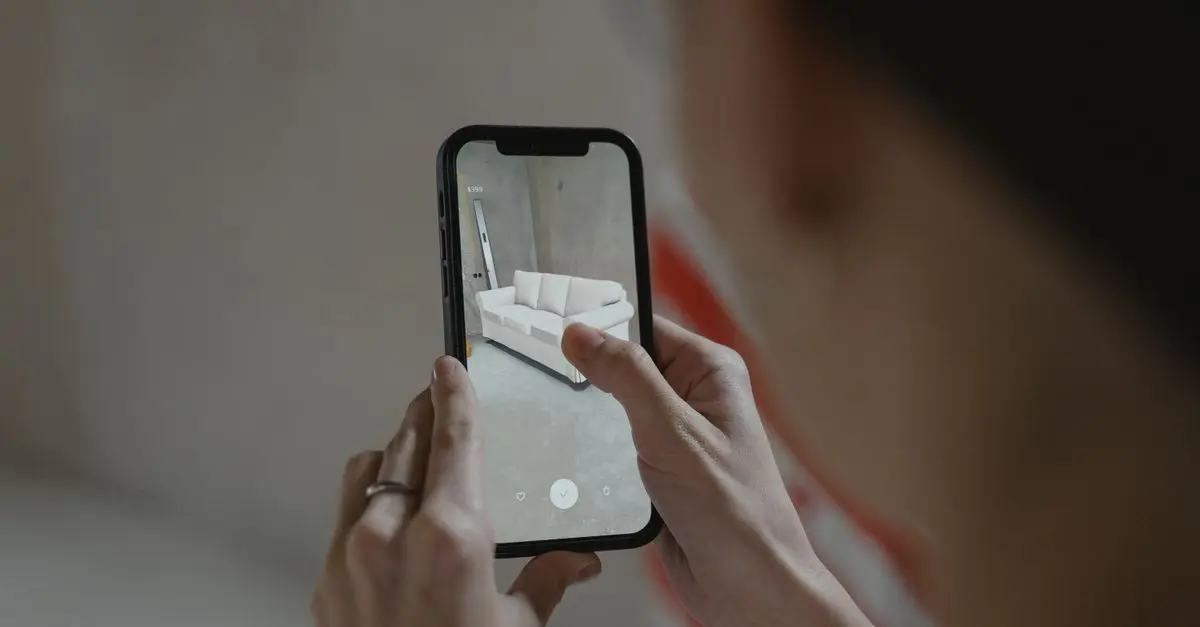
Brands like IKEA are already using AR to enhance the shopping experience, allowing customers to visualise furniture in their homes before making a purchase. A survey by PwC found that 74% of users expect AR to improve their shopping experience.
The immersive nature of AR captivates users, offering interactive and engaging experiences that traditional methods cannot match. This has the potential to drive sales and foster customer loyalty, as immersive experiences are likely to be memorable and impactful.
🛠️ 5. Advanced Mobile Security Features
With growing concern over data privacy, mobile security innovations are more critical than ever. By 2026, users will demand more robust security measures to protect their information. McKinsey & Company reports that 79% of consumers are concerned about data privacy.
Next-gen authentication techniques such as biometric security, including facial recognition and fingerprint scanning, are set to become mainstream. Companies like Samsung are already incorporating these features into their devices to enhance user confidence.
As users become more aware of security risks, businesses prioritising advanced security measures will likely gain competitive advantage in user trust and satisfaction.
📺 Resource Video
> 📺 For deeper insights: Explore the future of mobile user experience innovations by searching on YouTube for: mobile user experience 2026 trends.
🔍 Comparison Table
| Criterion | AI Personalisation | Voice Recognition | Cross-Platform Consistency | AR Integration | Mobile Security Features |
|---|---|---|---|---|---|
| User Engagement | High | High | Medium | Very High | High |
| Accessibility | Medium | Very High | Medium | High | Medium |
| Innovation Level | High | Medium | High | Very High | Medium |
| User Trust | Medium | Medium | High | High | Very High |
Glossary
| Terme | Définition |
|---|---|
| Mobile User Experience | The overall interaction and satisfaction a user has with a mobile device/application. |
| Augmented Reality (AR) | Technology that overlays digital information onto the real world, enhancing the user's view. |
| Personalisation | Tailoring content and experiences to individual user preferences and behaviours. |
Checklist avant achat
- [ ] Vérifier la compatibilité avec d'autres appareils
- [ ] Considérer l'interface utilisateur et la facilité d'utilisation
- [ ] Contrôler les opérations de sécurité offertes
- [ ] Explorer les fonctionnalités de personnalisation disponibles
- [ ] Examiner la disponibilité du support client
🧠 Quiz rapide:
> What is a key feature predicted to dominate mobile user experience by 2026?
> - A) Traditional interfaces
> - B) Voice-activated interfaces
> - C) Basic email functions
> Réponse : B — Voice-activated interfaces are gaining popularity due to improved natural language processing.
In conclusion, the future of mobile user experience is set to change dramatically with these innovations. Stakeholders in the industry must stay attuned to these trends to remain competitive. Adapting to these changes will ensure enhanced user satisfaction and loyalty in an increasingly mobile-centric world.
📺 Pour aller plus loin : mobile user experience 2026 trends sur YouTube