Contents (20 sections)
Mobile payments have transformed the financial landscape significantly, especially as we move into 2026. As smartphones and digital wallets replace traditional cash and card transactions, it's crucial to stay informed about the latest advancements in this dynamic field. This article explores the trends that are defining the future of mobile payments and offers a comprehensive understanding of their implications.
What Are Mobile Payments?
Mobile payments are transactions made through mobile devices, such as smartphones or tablets. These transactions can occur via various methods, including mobile wallets, contactless payments, and QR codes. As the demand for convenient payment solutions rises, businesses and consumers alike are embracing mobile payments for their speed and ease of use. According to recent statistics, mobile payment usage is projected to reach $12 trillion globally by 2026, highlighting the technology's growing importance (source: Statista).
The context of mobile payments encompasses both the technology and the social shift towards a cashless society. This shift is driven not only by consumer convenience but also by the pandemic's impact, which accelerated the adoption of contactless payments. With advancements like biometric authentication and blockchain technology, mobile payments are becoming even more secure and user-friendly.
Key Trends Reshaping Mobile Payments
1. Biometric Authentication
As security concerns grow, biometric authentication has emerged as a vital trend in mobile payment systems. Features such as fingerprint scanning and facial recognition have become commonplace in modern smartphones. For example, many digital wallets now require biometric verification to authorise transactions, providing an extra layer of security. As of late 2025, over 65% of payment transactions in the UK were made using biometric verification methods (source: Payments UK).
In 2026, we predict a further increase in this adoption rate, with 80% of consumers favouring biometric authentication over traditional passwords or PINs. This trend not only enhances security but also streamlines the user experience, as transactions become faster and contactless.
2. Integration of AI and Machine Learning
Artificial Intelligence (AI) and Machine Learning (ML) are set to revolutionise mobile payment systems by personalising user experiences and streamlining fraud detection. Mobile payment platforms are increasingly utilising AI algorithms to analyse transaction patterns and detect unusual activities in real-time. A recent report indicated that AI-driven systems could reduce fraud losses by up to 30% (source: Deloitte).
Moreover, companies are leveraging AI to offer tailored promotions and discounts based on user behaviour. Consequently, users enjoy a more personalised experience, which may enhance their loyalty to a specific payment provider, making AI integration a pivotal trend in the mobile payments sector.
3. Rise of Decentralised Finance (DeFi)
With the growth of blockchain technology, decentralised finance (DeFi) is influencing mobile payment innovations. DeFi allows users to conduct financial transactions without intermediaries, such as banks, leading to lower fees and faster processing times. By 2026, it is estimated that the DeFi market could exceed $1 trillion in total value locked (source: Coingecko), paving the way for mobile payments powered by smart contracts.
These advancements enable consumers to make seamless and low-cost transactions directly through mobile applications, promoting financial inclusion for users in regions lacking traditional banking infrastructures. As DeFi continues to mature, it represents a significant opportunity for growth within the mobile payment landscape.
4. Enhanced User Experience
User experience (UX) has become a top priority for mobile payment apps. In 2026, companies are investing heavily in creating intuitive user interfaces and simplified onboarding processes. Research shows that payment apps with an excellent UX see increased user retention, with 70% of users likely to continue using an app with a seamless interface (source: UXCam).
By focusing on user-centric design, developers aim to make transactions effortless and engaging. Features like one-click payments, personalised dashboards, and real-time transaction tracking are becoming standard, encouraging more users to shift to mobile payment solutions. In this environment, the competition among service providers is driving continuous improvements in UX.
5. Environmental Sustainability and Green Payments
As global awareness of environmental issues continues to grow, mobile payment providers are seeking sustainable operational practices. This trend includes initiatives to reduce the carbon footprint associated with digital transactions. For instance, certain companies are adopting eco-friendly practices in their data centres and advocating for electronic receipts rather than paper ones.
According to a 2026 survey, 80% of consumers prefer supporting companies that prioritise sustainability. As such, mobile payment systems that incorporate green initiatives are likely to attract a more environmentally conscious customer base, impacting their market appeal and growth potential.
6. 5G and Its Impact on Mobile Payments
The rollout of 5G technology is set to significantly enhance mobile payment systems. With faster data transfer rates and reduced latency, 5G allows transactions to occur in real time, improving the overall customer experience. Some statistics suggest that 5G networks could potentially increase mobile payment transaction speeds by 300% compared to 4G networks (source: GSMA).
As 5G becomes more widespread, consumers will expect seamless and instantaneous payment solutions. This trend will challenge payment providers to innovate rapidly and offer cutting-edge services that leverage the benefits of 5G technology.

Zebra TC22 handheld mobile computer 15.2 cm (6") 1080 x 2160 pixels Touchscreen Black
Back to the Office

Comparative Analysis of Mobile Payment Solutions
| Feature/Service | Mobile Wallet | QR Code Payments | Contactless Payments | Digital Banking Apps |
|---|---|---|---|---|
| Ease of Use | High | Moderate | High | High |
| Security | Biometric Authentication | Standard Encryption | Standard Encryption | Enhanced Security Features |
| Speed | Instant | Instant | Instant | Varies |
| Cost | Low | Low | Low | Typically lower fees |
What are mobile payments?
Mobile payments refer to transactions made using a mobile device, allowing users to pay for goods and services seamlessly without physical currency.
How secure are mobile payments?
Mobile payments utilise advanced security features, including biometric authentication and encryption, making them highly secure.
Can I use mobile payments while travelling?
Yes, mobile payments are widely accepted internationally, but ensure that your payment app supports foreign transactions to avoid issues.
How will 5G technology affect mobile payments?
5G technology will enable faster transaction speeds and increased connected experiences, making mobile payments more efficient and responsive.
Checklist before adopting mobile payment solutions
- [ ] Assess transaction fees
- [ ] Ensure security measures are in place
- [ ] Evaluate user experience features
- [ ] Confirm compatibility with devices
- [ ] Research customer support options
Glossary
| Terme | Définition |
|---|---|
| Mobile Wallet | Une application permettant aux utilisateurs d'effectuer des paiements électroniques via leur appareil mobile. |
| Biometric Authentication | Utilisation de caractéristiques physiques uniques (comme les empreintes digitales ou la reconnaissance faciale) pour valider l'identité de l'utilisateur. |
| Decentralised Finance (DeFi) | Un système financier construit sur la blockchain, permettant des transactions financières sans intermédiaires traditionnels. |
📺 Ressource Vidéo
> 📺 Pour aller plus loin : The Future of Mobile Payments, une analyse complète de l'évolution des systèmes de paiement. Recherchez sur YouTube : "future of mobile payments 2026".

Datalogic Handhelds und Navigation handheld mobile computer Touchscreen Black
Back to the Office

CIW Site Development Associate Online Training with Live Labs and Exam (1D0-61B)
Learning 24/7

CIW Data Analyst Specialist Online Training with Live Labs and Exam (1D0-622)
Learning 24/7
Conclusion & Call to Action
As we navigate through the innovations in mobile payments, staying informed is essential to leverage these advancements. If you're interested in exploring solutions, check out our recommended products below that can enhance your payment processes.
Recommended Products
Pour vous aider dans votre transition vers les paiements mobiles, nous avons sélectionné plusieurs produits adaptés disponibles ci-dessous.
📺 Pour aller plus loin : future of mobile payments 2026 sur YouTube
Recommended products
Selected by our experts
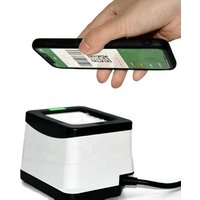
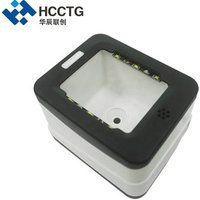
Mobile Payment Box 2D Barcode Reader Rs232 / Usb Qr Code Scanner For Ali / Wechat Pay HS-2001B
Alibaba UK


Elo Touch Solutions E458605 handheld mobile computer accessory Non-charging cradle
Back to the Office


Elo Touch Solutions E906829 handheld mobile computer accessory Non-charging cradle
Back to the Office

Elo Touch Solutions E159758 computer monitor 54.6 cm (21.5") 1920 x 1080 pixels LED Touchscreen Tabletop Black
Back to the Office