Contents (12 sections)
The mobile technology landscape is continually evolving, transforming the way we live, work, and interact. As we delve into 2026, understanding the latest mobile trends is crucial for both consumers and businesses. This article explores major trends influencing our daily lives, offering insights into their implications and future directions.
1. The Dominance of 5G Technology
5G technology has become a cornerstone of mobile communication. It promises unprecedented speed and connectivity, enabling a myriad of applications ranging from enhanced streaming services to real-time remote work solutions. According to a recent report by GSA, the number of global 5G connections is expected to reach 1.7 billion by the end of 2026, indicating a significant shift in user adoption rates.
The impact of 5G goes beyond faster download speeds; it facilitates the proliferation of the Internet of Things (IoT), allowing devices to communicate seamlessly. For instance, smart homes equipped with 5G technology can offer real-time monitoring and automation, elevating user convenience and security. This trend not only caters to consumer demand for speed but also lays the groundwork for future innovations in various sectors, including healthcare and transportation.
💡 Expert Insight: Integrating 5G into business operations will likely lead to more efficient supply chain management and customer service practices.
2. Rise of Artificial Intelligence in Mobile Apps
Artificial Intelligence (AI) has firmly entered the mobile landscape, enhancing user experience and personalisation. AI-driven features, such as virtual assistants and smart predictive text, play a crucial role in modern mobile apps. A survey by Statista indicates that 85% of users appreciate AI features that simplify shopping experiences or streamline communication.
Key benefits of utilising AI in mobile applications include improved customer service through chatbots and personalised content delivery. As applications learn user behaviours, they become increasingly adept at offering recommendations tailored to individual preferences, enhancing engagement and retention rates. This adaptation not only drives user satisfaction but also fosters brand loyalty.
3. The Surge of Mobile Commerce
The growth of mobile commerce (m-commerce) presents an unprecedented opportunity for businesses to engage consumers. In 2026, it's projected that over 70% of total e-commerce sales will take place via mobile devices. This shift is particularly influenced by the increasing functionality of mobile apps, which allow users to purchase products directly from their smartphones with ease.
Businesses are responding to this trend by adopting optimised mobile payment solutions, ensuring secure and convenient transactions. Mobile wallets, such as Apple Pay and Google Pay, are becoming commonplace, facilitating quick purchases and enhancing consumer trust. According to Shopify, brands that invest in user-friendly mobile design see a 40% increase in conversion rates.
4. Greater Emphasis on Privacy and Security
As mobile technology continues to advance, so too does the significance of privacy and security. Concerns regarding data breaches have led to increased scrutiny on how personal information is collected and used. In response, mobile trends are gravitating towards implementing stronger security measures, such as biometric authentication and end-to-end encryption.
Users are now demanding transparency regarding their data. According to a study by Pew Research, 79% of Americans are concerned about their privacy online. Mobile applications that prioritise user privacy not only build trust but also align with regulatory standards, such as the GDPR in Europe. Companies that successfully address these concerns will likely gain a competitive edge in the market.
5. The Emergence of Foldable Devices
Foldable smartphones have began to carve out a niche in the mobile market, offering versatility that traditional models cannot. By combining phone and tablet functionalities, foldable devices are particularly attractive to users who crave multi-tasking capabilities. As noted by Counterpoint Research, the shipment of foldable smartphones is expected to grow significantly, reaching 50 million units by 2026.
The adaptability of these devices suits the growing trend of remote work and productivity on-the-go. Users can enjoy larger screens for video conferencing or document editing without sacrificing portability. However, it remains essential for manufacturers to address durability concerns to achieve widespread acceptance.
6. Increased Focus on Sustainability
Consumers are increasingly mindful of the sustainable practices of brands they support. Mobile technology companies are responding by adopting environmentally friendly materials and practices in their product offerings. A survey by Nielsen found that 73% of millennials would pay extra for sustainable products. This trend encourages manufacturers to innovate while maintaining eco-friendly practices.
Companies are also exploring recycling initiatives and offering trade-in programmes to reduce electronic waste. Promoting sustainability not only enhances a brand’s image but also resonates with an ever-growing demographic prioritising environmental responsibility.
7. Expansion of Augmented Reality (AR) and Virtual Reality (VR)
Augmented Reality (AR) and Virtual Reality (VR) technologies are broadening their presence in mobile applications, particularly within retail and gaming sectors. By 2026, the global AR and VR market is projected to surpass $300 billion, driven by consumer demand for immersive experiences. This technology is being used to enhance customer engagement, allowing users to interact with products in innovative ways.
For example, retailers are adopting AR to enable customers to visualise how furniture or clothing might look in their homes or on themselves before making a purchase. Such interactive experiences are expected to boost conversions and customer satisfaction significantly.
Conclusion
As we navigate through 2026, being mindful of these key mobile trends will empower users and businesses alike to capitalise on opportunities while addressing emerging challenges. Understanding and adapting to these changes is essential for staying competitive and connected in a rapidly evolving environment.
📺 Resource Video
> For further insights on mobile trends in 2026, search on YouTube for: "mobile technology trends 2026".
Glossary
| Terme | Définition |
|---|---|
| 5G Technology | La dernière génération de technologie mobile permettant des vitesses de connexion ultra-rapides. |
| M-Commerce | Commerce électronique effectué via des appareils mobiles. |
| AI (Intelligence Artificielle) | Technologie qui simule des processus d'intelligence humaine pour automatiser des tâches. |
Trend 2019 Amazon best seller cell phone accessories cases for iPhone xs max xr mobile phones for Samsung galaxy S10 case plus
Alibaba UK

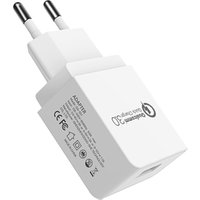
2019 trend Qualcomm quick charge 3.0 travel USB Wall Charger Quick Charge 4.0 Universal Mobile Phone Charger
Alibaba UK
Checklist before Purchase
- [ ] Review product specifications
- [ ] Compare features with alternatives
- [ ] Check user reviews and ratings
- [ ] Evaluate warranty and support options
- [ ] Assess compatibility with existing devices
Recommended Products: Discover our carefully curated selection of products that align with these trends below.
📺 Pour aller plus loin : mobile technology trends 2026 sur YouTube
Recommended products
Selected by our experts


Zebra VISIBILITYIQ Foresight Database Volume Licence 1 license(s) 3 year(s)
Back to the Office

StarTech.com Laptop Docking Module for Conference Table Connectivity Box
Back to the Office