Contents (21 sections)
Understanding Mobile Lifestyle
A mobile lifestyle refers to the growing trend of incorporating technology seamlessly into our daily routines, primarily through portable and smart devices. This lifestyle is becoming increasingly important as individuals seek both convenience and efficiency in their busy lives. In 2026, the proliferation of smart devices—such as smartphones, tablets, and wearables—has revolutionised how we live and work.
The environment we inhabit now encourages a blend of technology with everyday activities, shifting the paradigm of personal and professional organisation. According to a report by UFC-Que Choisir, 76% of users have integrated at least one smart device into their daily routines, citing enhanced productivity as a significant benefit. This increased dependency reflects not just an improvement in usability, but a broader embrace of digital transformation that underpins our mobile lifestyles.
Given the necessary shift towards convenience and accessibility, understanding and utilising smart devices is essential for anyone looking to maximise their potential in a fast-paced environment.
Step 1: Choose Your Smart Devices Wisely
The first step in supercharging your mobile lifestyle is to select the right combination of smart devices that fit your specific needs. Consider what aspects of your life could benefit from automation or connectivity. For example, a smart smartphone might serve as a central hub that connects various facets of your digital experiences. Look for devices that offer robust features and compatibility with existing technologies.
Criteria for Selection
- Compatibility: Ensure that devices can communicate and work well together. For instance, smart speakers should easily integrate with smart lights and home security systems.
- Functionality: Assess what functionalities are essential. Do you need a smart thermostat that learns your habits, or is a simple remote control sufficient?
- Budget: Smart devices come in a wide range of prices. Evaluate what is necessary to enhance your lifestyle without overspending. A budget of around £200-£500 is reasonable for upgrading significant gadgets.
- User Reviews: Look into customer feedback and professional reviews for insights on performance and reliability. Dedicating time to research can prevent purchasing disappointing products, which can detract from your mobile lifestyle.
Common Mistakes to Avoid
- Focusing solely on brand name rather than function.
- Buying multiple devices that solve the same issue.
- Ignoring compatibility with existing systems.
Step 2: Integrate Smart Home Technology
Integrating smart home technology is crucial for enhancing your mobile lifestyle. Smart home devices create an interconnected environment that eases daily challenges, providing comfort and efficiency. For instance, you might consider installing smart lights that change according to your mood and schedule. This integration can often be done through a central app that controls multiple devices, such as Philips Hue or Google Nest.
Practical Applications
- Smart Thermostats: Products like the Nest Learning Thermostat adapt to your preferences, improving energy efficiency and providing significant cost savings.
- Security Systems: Smart cameras and doorbell systems allow for remote monitoring via your smartphone, enhancing your home’s safety.
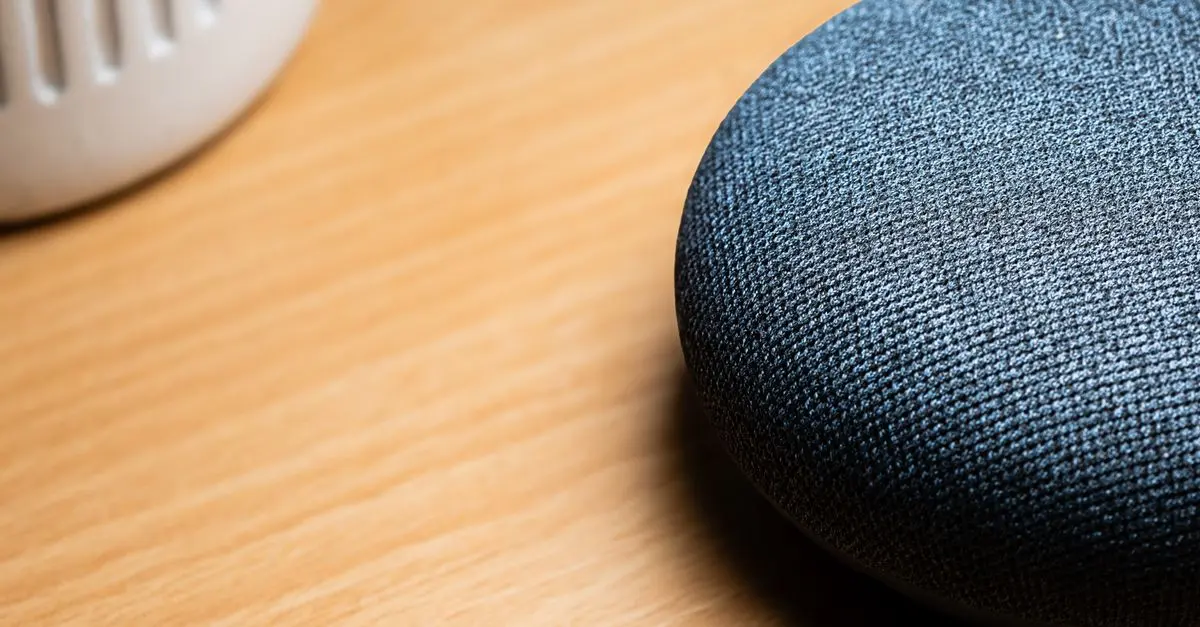
- Voice Assistants: Devices such as Amazon Echo or Google Home serve as central control units, managing diverse smart devices with voice commands.
Key Takeaways
- Make sure your devices are compatible.
- Utilise automations to create routines that work for you.
- Monitor energy usage and adapt settings to avoid unnecessary costs.
Step 3: Use Wearable Technology
Wearable technology significantly contributes to establishing a mobile lifestyle by enabling continuous connectivity and health tracking. Devices like smartwatches and fitness trackers keep you informed and engaged without interrupting your day. According to market insights from Les Numériques, wearables have grown in popularity, with over 55% of users reporting improved overall health through consistent tracking.
Suggested Wearables
- Health Trackers: Devices like the Fitbit are excellent for monitoring physical activity and heart rates, making it easier to stay fit on the go.
- Smartwatches: Brands like Apple and Samsung offer smartwatches that not only display notifications but also facilitate functionality such as messaging and purchasing.
- AR Glasses: As technology evolves, augmented reality glasses are emerging as practical tools for enhancing your mobile experience, from gaming to real-time directions.
Tips for Effective Use
- Synchronise your devices regularly for optimal performance.
- Explore the apps associated with your wearables to maximize their capabilities.
- Keep software up-to-date for the latest features.
Step 4: Enable Smart Connectivity
Ensuring that your devices are interconnected optimally is crucial. Smart connectivity encompasses how your devices interact with each other, syncing data through local networks like Wi-Fi or Bluetooth. This creates a streamlined experience, enhancing the overall efficacy of a mobile lifestyle.
Establishing Connectivity
- Home Automation Hubs: Devices that centralise control over several smart gadgets can significantly improve user experience. The Samsung SmartThings Hub is one example.
- Network Considerations: A robust router is essential. Consider investing in a mesh Wi-Fi system to provide comprehensive coverage throughout your home.
- Data Security: Always secure your network with strong passwords and check for updates regularly, as vulnerabilities can compromise connected devices.
Potential Pitfalls
- Overcomplicating your setup with too many devices.
- Failing to secure your network adequately can leave personal data exposed.
- Ignoring devices that require manual interaction to connect.
Step 5: Explore Smart Apps
Finally, leveraging mobile applications specifically designed for smart devices can dramatically enhance your lifestyle. Many brands offer dedicated apps for improved control and functionality.
Essential Apps to Consider
- Smart Home Apps: Look into platforms like the Google Home app or Apple HomeKit, which can control various devices in one place.
- Health or Fitness Apps: Apps accompanying your wearables, such as MyFitnessPal or music apps like Spotify, help you track your progress and stay connected.
- Virtual Assistants: Using virtual assistants can simplify daily tasks. Ask Siri or Google to set reminders, play music, or give traffic updates.
User Interaction
- Engage with the feedback options in these apps to improve their functionality.
- Customise notifications to avoid overload and keep your focus.
- Explore features periodically as updates may add functionality.
📺 Resource Video
> 📺 To go further: Exploring Smart Home Technology for insights and hands-on tips. Search YouTube for: how to integrate smart home devices 2026.
Checklist Before Integration
- [ ] Define your mobile lifestyle needs.
- [ ] Research smart devices thoroughly before purchase.
- [ ] Ensure compatibility between chosen devices.
- [ ] Set up a reliable and secure network.
- [ ] Familiarise yourself with apps for your devices.
Glossary
| Terme | Définition |
|---|---|
| Mobile Lifestyle | A way of living that incorporates technology and mobility for convenience and efficiency. |
| Smart Device | An electronic device connected to the internet or other networks, allowing for remote management and automation. |
| Wearable Technology | Devices worn on the body that can track data related to health and communication. |
---
📺 Pour aller plus loin : how to integrate smart home devices 2026 sur YouTube