Contents (24 sections)
In recent years, remote work has become an integral part of our professional landscape. As of 2026, it’s essential to adapt to this environment by leveraging mobile technology effectively. This article serves as a comprehensive guide to enhance your productivity by utilising the right mobile tools and technologies. Below are actionable steps to help you master remote work with mobile technology.
1. Understand the Importance of Mobile Technology in Remote Work
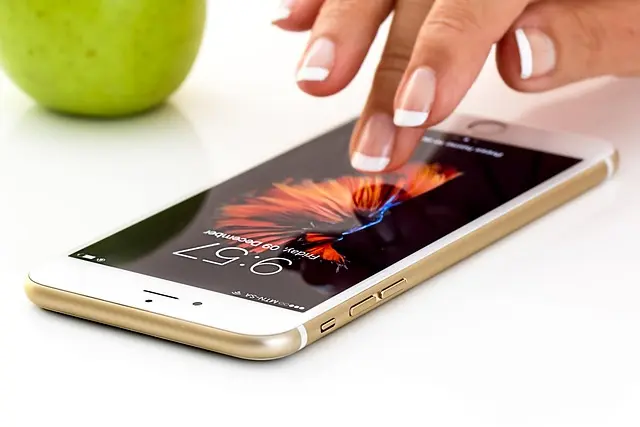
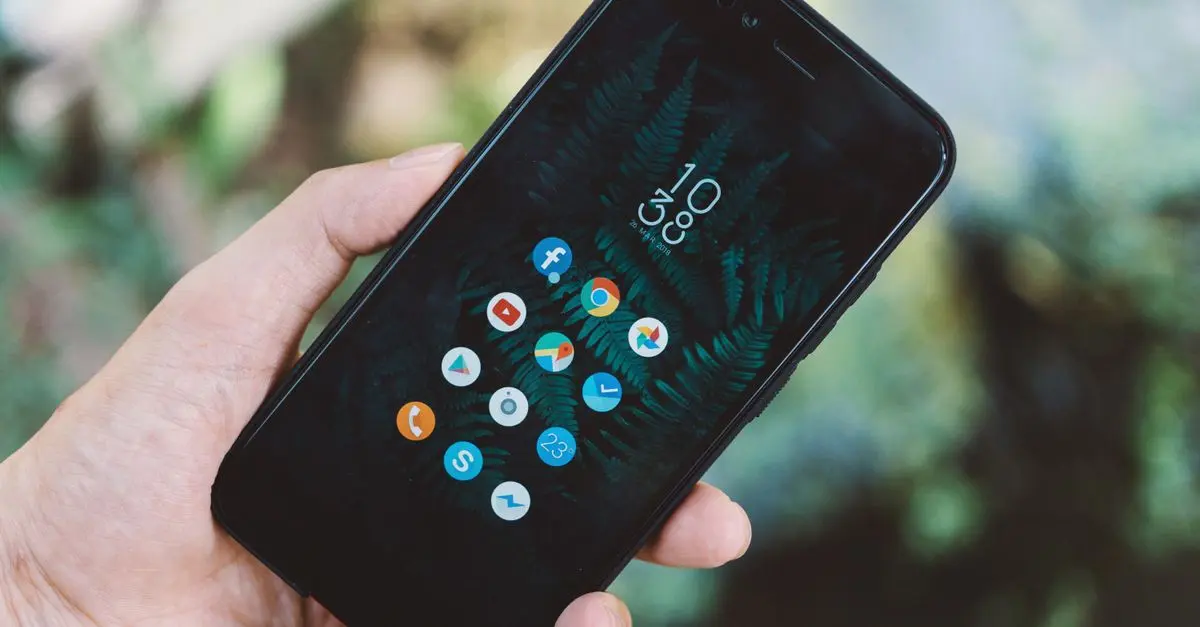
Mobile technology encompasses a range of devices and applications that allow you to work efficiently from anywhere. The rise of smartphones, tablets, and laptops has transformed how we approach work, making it possible to stay connected and productive outside conventional office spaces. According to user feedback and industry trends, over 70% of remote workers now rely on their mobile devices for daily tasks.
The benefits of mobile technology include real-time communication, access to essential apps, and flexibility in work locations. This means you can attend meetings, collaborate with team members, manage projects, and even complete tasks while on the go. Such flexibility not only enhances individual productivity but also fosters a healthier work-life balance, making work more integrated into daily life while accommodating personal commitments. By understanding these advantages, you position yourself better to harness mobile technology effectively.
2. Choose the Right Equipment
Before diving into remote work, equipping yourself with the right devices is paramount. The key to boosting productivity lies in having the right mobile devices that suit your working style.
Step 1: Assess Your Needs
Identify the tasks you perform daily. Do you require a powerful laptop for coding, a tablet for reading documents, or merely a smartphone for communication? Each scenario calls for different equipment. For example, creative professionals may benefit from tablets that support stylus input for design purposes.
Step 2: Invest in Quality Devices
Quality matters. Investing in reliable and efficient devices can save you time, increase productivity, and reduce frustrations during work. Seek recommendations from colleagues or reviews from trusted sources to determine which devices suit your needs best. Remember, a stable and robust network connection is as important as the devices themselves.
If you're considering an upgrade, we have selected several products that align well with remote work needs.


TP-Link HB410 Dual-band (2.4 GHz / 5 GHz) Wi-Fi 7 (802.11be) White
Back to the Office
3. Essential Mobile Apps for Remote Work
Equipping yourself with the right apps can significantly enhance your remote work experience. These applications can range from project management tools to communication platforms. Here’s a quick overview:
• Communication Apps
Tools such as Slack or Microsoft Teams facilitate seamless communication and collaboration with your team, bridging the gap that physical distance creates.
• Project Management Tools
Apps like Trello or Asana allow for efficient task management and keeping everyone on the same page, enabling smoother workflows.
• Document Sharing & Storage Solutions
Utilising cloud storage services such as Google Drive or Dropbox helps in accessing files from anywhere, ensuring nothing is ever out of reach.
According to a study by Gartner, companies that implement effective mobile solutions see productivity gains of up to 30%. Therefore, integrating the right mobile apps into your daily routine is vital for professional success.
4. Develop Effective Communication Skills
Effective communication is crucial, especially when working remotely. Here are practical steps to enhance your communication skills in a remote work environment:
Step 1: Prioritise Clarity
Ensure that your messages are clear and concise. Use bullet points or numbered lists for important information to avoid misunderstandings.
Step 2: Use Video Calls
Whenever possible, opt for video calls instead of voice calls. Visual cues can significantly improve the quality of communication, as they allow for a more personal interaction.
Step 3: Establish Boundaries
Clearly communicate your working hours and availability to avoid burnout. This practice helps manage expectations and fosters a healthier work-life balance.
By developing strong communication skills, you can foster collaboration and connectivity with your team while working remotely.
5. Optimise Your Work Environment
Creating an efficient work environment is crucial for productivity. Here’s how you can optimise your space:
Step 1: Designate a Workspace
Having a specific area for work helps to accentuate focus and productivity. This space should be free from distractions to maintain a professional mindset.
Step 2: Ensure Ergonomics
Select an appropriate chair and desk height that suit your working style to prevent physical strain during prolonged usage.
Step 3: Enhance Connectivity
Invest in reliable internet solutions, such as a quality mesh Wi-Fi system, to ensure you have a stable connection throughout your working hours. This avoids interruptions that can drastically affect productivity.
Optimising your workspace is a simple yet effective way to boost your overall efficiency and comfort while working remotely.
6. Practice Self-Management and Discipline
Effective remote work relies heavily on self-management and discipline. To stay productive:
Step 1: Set Clear Goals
Establish daily, weekly, and monthly goals. This gives you direction and a sense of achievement as you complete tasks.
Step 2: Use a Planner
A digital planner or app can assist in tracking your tasks and deadlines, ensuring you remain organised.
Step 3: Schedule Breaks
Taking regular breaks helps prevent burnout and maintains productivity. Following the Pomodoro Technique, which consists of working in short, focused bursts with breaks, can significantly uplift productivity.
Managing your time effectively and maintaining discipline are foundational skills for successful remote work.


Checklist for Optimising Remote Work with Mobile Technology
- [ ] Assess current mobile devices
- [ ] Choose essential apps for communication and management
- [ ] Set up a dedicated workspace
- [ ] Establish daily goals and schedules
- [ ] Optimize internet connectivity
- [ ] Invest in ergonomic furniture
Glossary
| Terme | Définition |
|---|---|
| Mobile Technology | Refers to devices and applications that enable work on the go. |
| Remote Work | The ability to perform professional tasks outside of a traditional office setting. |
| Productivity Tools | Software and applications designed to enhance work efficiency. |
> 📺 For further insights: Explore how to enhance your mobile workspace for remote work. Search on YouTube: "optimising mobile workspace for remote work 2026".
📺 Pour aller plus loin : optimising mobile workspace for remote work 2026 sur YouTube
Recommended products
Selected by our experts


TP-Link Tapo Wire-Free Indoor/Outdoor Security Camera SPEC:4K UHD (3840x2160), H.265/H.264 Supported, 16x UHD Digital Zoom, 2.4/5 GHz Dual Band
Back to the Office

Viewsonic IFP65G1 interactive whiteboard 165.1 cm (65") 3840 x 2160 pixels Touchscreen Black HDMI
Back to the Office

Swann SWDVK-846804DE-EU video surveillance kit Wired 8 channels
Back to the Office