Contents (9 sections)
What Is a Mobile Lifestyle?
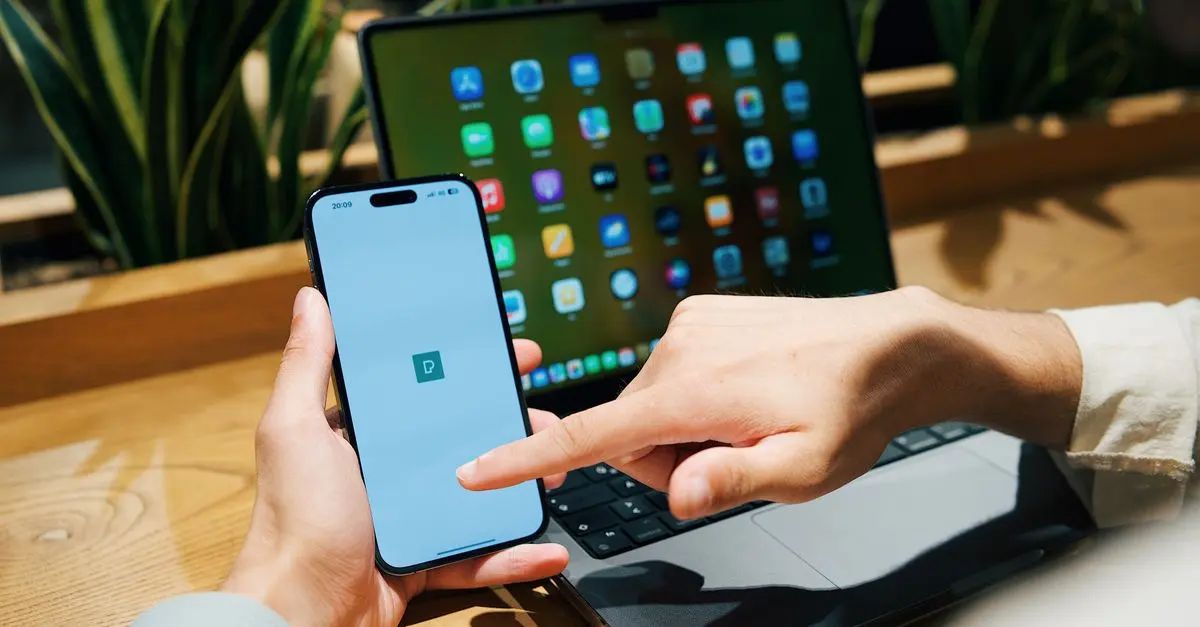
In today's fast-paced world, a mobile lifestyle refers to the way in which individuals adapt their daily life using mobile technology. This includes the use of smartphones, tablets, and smart home devices that contribute to an efficient and convenient way of living. As technology advances, the integration of smart home gadgets into our mobile lives is becoming increasingly popular, allowing for remote control of home environments and enhancing overall convenience. The concept revolves around being constantly connected, managing tasks on-the-go, and utilising technology to streamline everyday responsibilities.
Step 1: Assess Your Needs
Before diving into the world of smart home integration, it's crucial to assess your individual needs. Consider what aspects of your home and daily routine could benefit from automation. For example, are you looking to enhance security with smart cameras, improve energy efficiency through smart thermostats, or simply enjoy the convenience of controlling devices from your smartphone?
A thorough evaluation can be done by creating a list of daily tasks and identifying which could become simpler through automation. According to UFC-Que Choisir, many users report significant time savings and improved home management once their devices are integrated effectively. It’s also essential to consider the interoperability of devices; optimise your selection by ensuring that the products you choose are compatible with each other and can be controlled through a single platform.
Step 2: Choose the Right Smart Devices
The next step in enhancing your mobile lifestyle is selecting the right smart devices that meet your needs. The market is replete with options, from smart speakers and bulbs to security cameras and appliances. Notable brands, such as Philips Hue and Nest, offer products that not only function well independently but also integrate seamlessly with a variety of platforms.
When making your choices, consider features such as voice control, integration with mobile apps, and energy efficiency ratings. According to Les Numériques, products with comprehensive apps tend to enhance user experiences significantly. Additionally, looking at customer reviews and feedback can help in avoiding common pitfalls, ensuring that you make informed decisions. It is advisable to start with a few key devices before expanding your collection, allowing you to gauge their impact on your mobile lifestyle effectively.
Step 3: Setting Up a Smart Home Hub
Once you've selected your devices, the next essential step is setting up a smart home hub. This hub acts as a central point of control for all your devices, enabling you to manage them from a single app on your mobile device. Popular hubs include Samsung SmartThings, Amazon Echo, and others that provide integration across a multitude of products.
Setting up a smart home hub typically involves connecting it to your Wi-Fi network, adding your chosen devices through the mobile app, and configuring settings to suit your preferences. You may want to organise devices by room or function for ease of access. Regular users highlight the importance of placing the hub in a central location for optimal connectivity. Moreover, keep firmware and software updated to ensure efficient device operation.
Step 4: Integrating Devices for Seamless Control
After setting up your hub, it's time to integrate your devices for seamless command. This can mean creating scenes or routines through your smart home app that synchronise your devices to react to your commands or schedule actions automatically. For example, you might set a routine that turns on your lights, adjusts the thermostat, and starts your coffee maker when you wake up.
An increasingly popular feature is voice control via smart assistants such as Amazon Alexa or Google Assistant, allowing you to control your devices hands-free. With a little experimentation, you can refine your routines to ensure they meet your lifestyle needs effectively. The beauty of this setup lies in its capacity to adapt over time; as new devices become available or your needs change, you can easily add or modify integrations.
Step 5: Optimising Your Mobile Experience
To truly benefit from a mobile lifestyle, it is crucial to optimise your mobile experience by regularly evaluating the efficiency of your smart home setup. Paying attention to how often you use certain routines or devices can help in identifying unnecessary clutter or underutilised technology. Additionally, using analytics provided by your smart devices can highlight potential adjustments for energy efficiency or enhanced convenience.
Don’t hesitate to explore third-party applications that can provide additional functionalities to your smart home hub. It’s noted that some users find that using supplementary apps can improve their interactions and streamline unexpected scenarios. Regular updates and thorough testing of your devices ensure that you are making the most of your mobile lifestyle.
Checklist Before You Start
- [ ] Assess daily routines to identify automation opportunities.
- [ ] Research and select compatible smart devices.
- [ ] Set up a smart home hub to centralise control.
- [ ] Create routines and scenes for optimal use of devices.
- [ ] Regularly optimise the set-up based on user experience.
Glossary
| Terme | Définition |
|---|---|
| Mobile Lifestyle | A lifestyle that utilises mobile technology to enhance convenience and efficiency in daily tasks. |
| Smart Home Hub | A central device that enables the control and integration of multiple smart devices from a single application. |
| Interoperability | The ability of different devices to work together seamlessly, allowing for centralised control. |
> 📺 Pour aller plus loin : Discover how to set up your smart devices efficiently, a comprehensive guide on smart setup. Recherchez sur YouTube : "how to optimise smart home devices 2026".
> 🧠 Quiz rapide : What is the primary function of a smart home hub?
> - A) To store data
> - B) To centralise control of devices
> - C) To provide internet connection
> Réponse : B — Un smart home hub centralise le contrôle de tous vos appareils connectés.
📺 Pour aller plus loin : how to optimise smart home devices 2026 sur YouTube