Contents (15 sections)
Creating a sustainable mobile lifestyle is not only beneficial for the planet, but it can also enhance your personal well-being. In an era where convenience often comes at the expense of the environment, making conscious choices can significantly reduce your carbon footprint while enjoying the benefits of mobility. This guide will provide you with actionable steps to help you transition towards a more sustainable way of living while on the move.
1. Understanding the Concept of a Sustainable Mobile Lifestyle
A sustainable mobile lifestyle refers to the practice of integrating eco-friendly habits into your commuting, travel, and daily living while being mobile. This lifestyle hinges on choices that lower your impact on the environment, enhance personal health, and promote efficient resource use. According to UFC-Que Choisir, the transport sector contributes nearly 29% of greenhouse gas emissions in the UK. By adopting sustainable practices, we can mitigate this impact and contribute to a healthier planet. Consider aspects like choosing public transport, biking, or using electric vehicles over traditional cars. The emphasis is on making mindful choices that align with sustainability goals, prioritising longevity over convenience.
2. Step-by-Step to a Greener Mobile Lifestyle
Step 1: Assess Your Current Habits
To make meaningful changes, begin by assessing your current mobile lifestyle habits. Take note of your daily commuting behaviours, travel methods, and consumption patterns. Are you mostly using petrol or diesel vehicles? Do you purchase single-use items? Conducting a thorough assessment allows you to identify areas where you can reduce your environmental impact. You might be surprised to find out how small changes can lead to significant benefits. For example, if you typically drive to work, consider the frequency and distance of your trips.
Step 2: Opt for Sustainable Transport Solutions
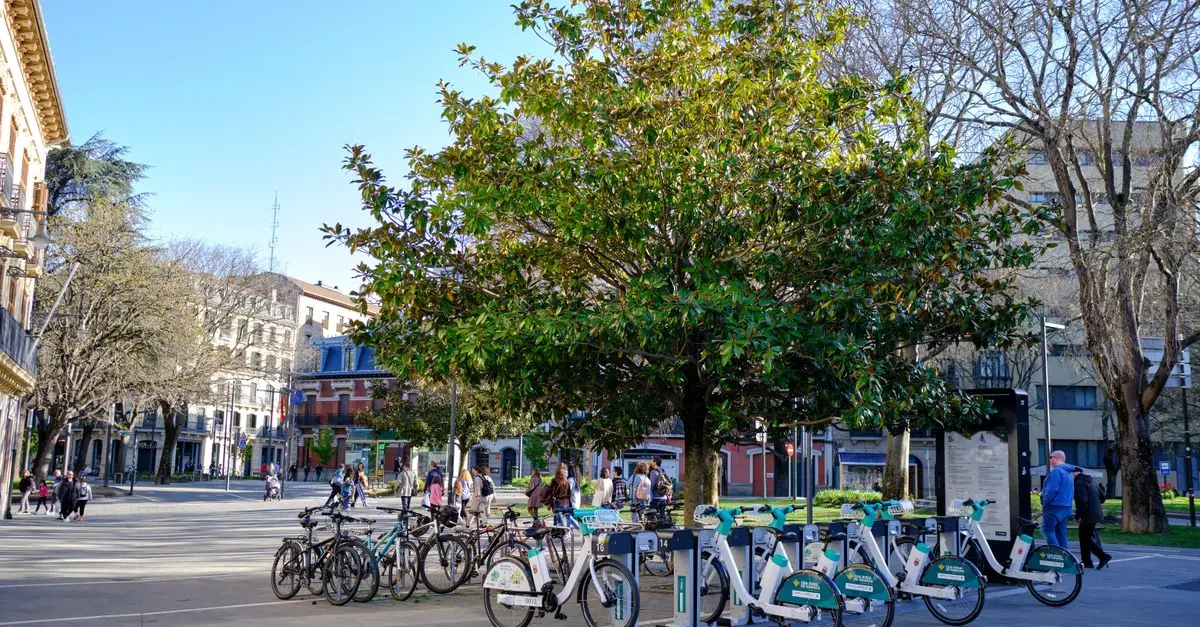
One of the most essential steps in adopting a sustainable mobile lifestyle is to minimise your reliance on fossil fuels. Electric vehicles (EVs) and hybrid cars have become more accessible and efficient. Brands like Tesla and Nissan offer various models suited for different budgets. If possible, consider using public transport or cycling. Statistics show that cycling just 1 mile reduces greenhouse gas emissions by approximately 0.8 kg compared to driving the same distance in a petrol car. Additionally, using car-sharing services can significantly reduce the number of vehicles on the road and your individual carbon footprint.
Step 3: Reduce Waste on the Go
Being mobile often leads to a temptation for convenience over sustainability, particularly regarding food and drink. Carry reusable items, such as water bottles, coffee cups, and shopping bags, to avoid single-use plastics. A report by Greenpeace indicates that around 8 million tonnes of plastic end up in the oceans every year. Simple changes, like refusing plastic straws or choosing bulk products, can significantly contribute to waste reduction. Furthermore, many cafes offer discounts for customers who bring their reusable cups. Make this practice a habit, and watch the impact on both your wallet and the environment.
Step 4: Focus on Sustainable Accommodation and Travel
When travelling, opt for accommodations that align with sustainable practices. Consider eco-friendly hotels that promote green initiatives such as renewable energy and waste reduction. According to research by Booking.com, 70% of travellers consider sustainable travel options when planning trips. Additionally, evaluate your travel choices. Instead of flying for short distances, consider trains or buses, which are often more environmentally friendly and can provide a scenic alternative. Planning trips around peak travel times can also reduce energy consumption and encourage local economies.
Step 5: Establish a Routine for Energy Efficiency
Incorporating energy-efficient practices into your daily routine may seem daunting at first, but small steps can lead to significant results. Use energy-saving apps to monitor your energy consumption and advise on reducing usage across your devices. Switching to LED lighting and using energy-efficient gadgets will also help reduce your energy bill, making your mobile lifestyle more sustainable in the long run. For instance, using a smart thermostat can decrease energy waste by up to 15%. Additionally, always unplug devices when not in use, as phantom energy consumption can substantially increase your carbon footprint over time.
💡 Expert Insight:
Implementing these small habits creates a compounding effect on energy conservation efforts. The cumulative reduction in waste and resource consumption can lead to substantial environmental benefits.
3. Sustainable Practices Comparison
Here’s a comparison of different sustainable travel practices to help you choose the best options for your mobile lifestyle:
| Criterion | Electric Vehicles | Public Transport | Cycling | Walking |
|---|---|---|---|---|
| Environmental Impact | Low | Low | Very Low | Very Low |
| Cost | Medium | Low | Low | Free |
| Convenience | High | Medium | Low | Low |
| Health Benefits | Moderate | Medium | High | Very High |
4. Additional Resources for Sustainable Living
For further reading on sustainable living practices, consider exploring resources provided by organisations such as ADEME and Greenpeace. They offer valuable insights, tips, and statistics related to eco-friendly practices and products. Shifting to a sustainable mobile lifestyle can often feel overwhelming, but start with manageable changes that cater to your personal values and capabilities. Creating a plan and committing to it will yield positive experiences and lasting changes.
5. Commitment to Ongoing Change
A sustainable mobile lifestyle requires an ongoing commitment to adapting and improving. Join online communities focused on sustainability to exchange knowledge and stay updated on the latest practices and innovations. Engaging with others can build motivation and support, making it easier to incorporate sustainable practices into your everyday life. Continuous improvement leads to a more profound impact on your personal sustainability journey.
Checklist for a Sustainable Mobile Lifestyle
- [ ] Assess your current habits for sustainability
- [ ] Research and consider electric or hybrid vehicles
- [ ] Invest in reusable items for food and drink
- [ ] Choose sustainable accommodations for travel
- [ ] Establish energy-efficient practices at home
- [ ] Join local sustainability efforts or groups
Glossary
| Term | Definition |
|---|---|
| Sustainable Mobility | Refers to transport methods that have low environmental impact. |
| Carbon Footprint | The total amount of greenhouse gases produced to directly and indirectly support human activities. |
| Eco-Friendly | Products or practices that do not harm the environment and are sustainable. |
📺 Resource Video
📺 For further exploration: Watch this comprehensive guide on sustainable transportation options. Search on YouTube: "how to adopt a sustainable mobile lifestyle 2026".
🧠 Quick Quiz: What is the most eco-friendly transport option for short distances?
- A) Electric Car
- B) Bicycle
- C) Public Transport
Answer: B — Cycling significantly reduces emissions and is healthy for you!
📺 Pour aller plus loin : how to adopt a sustainable mobile lifestyle 2026 sur YouTube