Contents (15 sections)
What is Mobile Technology Transforming Tasks?
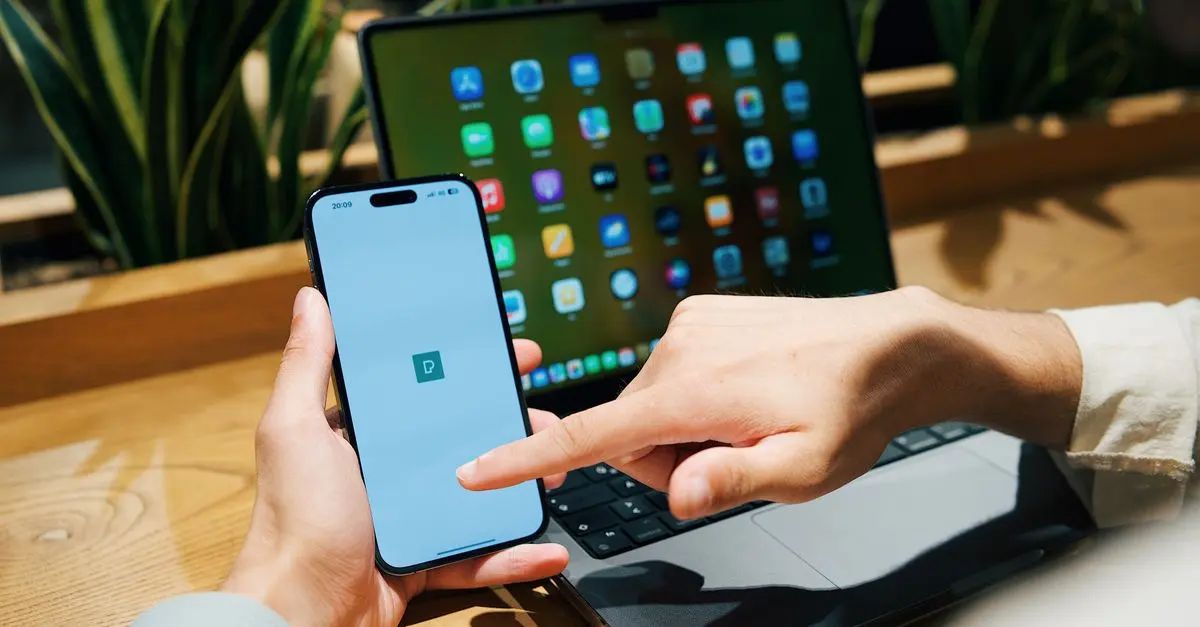
Mobile technology transforming tasks refers to the innovative ways that smartphones, tablets, and applications revolutionise how we perform daily activities. This evolution has drastically changed the landscape of productivity, offering tools that not only improve efficiency but also enhance the accessibility of services. In essence, mobile technology allows us to manage tasks on-the-go, integrating various functionalities that previously required separate devices or considerable time commitments.
From banking to grocery shopping, mobile applications provide opportunities to streamline mundane tasks into manageable actions completed in a matter of seconds. For example, apps like Monzo and Revolut simplify banking by enabling users to send money instantly or track expenses in real-time, without the hassle of visiting a physical bank.
The significance of mobile technology in transforming our tasks lies in its adaptability and user-centric design, making it approachable for a broad audience. This shift has been recognised: a report from the International Data Corporation indicates that over 90% of the global population now owns a mobile phone, which positions mobile technology as an integral part of modern life.
How Mobile Technology Improves Daily Efficiency
Mobile technology provides significant improvements in efficiency by enabling users to accomplish tasks quickly and conveniently. For instance, mobile applications allow seamless scheduling from anywhere, saving time and reducing the need for physical meetings. Tools like Google Calendar and Microsoft Teams not only help keep schedules organised but also facilitate instant communication and file sharing, leading to collaborative productivity.
Moreover, the integration of mobile technology with smart devices enhances efficiency in households and businesses alike. Smart home technologies, such as Philips Hue smart lighting and Nest thermostats, allow control via smartphone, creating opportunities for energy conservation and automation of mundane tasks.
The efficiency gained is not merely anecdotal; according to a study by McKinsey, mobile technology usage can enhance productivity by as much as 20-25%. This capability allows users to shift focus to more strategic tasks whilst relying on mobile technology for routine functions.
Comparative Analysis of Different Mobile Technologies
| Criterion | Mobile Apps | Mobile Web Browsing | SMS Notifications | Voice Assistants |
|---|---|---|---|---|
| User Engagement | High | Moderate | Low | High |
| Task Efficiency | Very High | Moderate | Low | High |
| Accessibility | High | High | Very High | High |
| Dependency on Internet Connection | Yes | Yes | No | Yes |
When comparing mobile apps with mobile web browsing, mobile applications offer a higher engagement level as they are specifically designed for user interaction and task completion. Apps typically provide a streamlined interface tailored for efficiency, whereas web browsing can be more cumbersome and requires navigation through multiple pages. SMS notifications bridge the gap of instantaneous communication and deliver critical information without requiring an internet connection, though their functionality is limited compared to mobile apps and voice assistants like Siri and Google Assistant. Voice assistants offer unique advantages in terms of engaging with users through voice commands, increasing accessibility for individuals with disabilities, which illustrates how mobile technology is diversifying the ways in which we complete tasks.
Key Statistics and Trends in Mobile Task Management
The landscape of mobile technology continues to evolve rapidly, bringing along notable statistics and trends. By 2026, mobile applications generate a projected global revenue of over $400 billion, demonstrating a booming market driven by increased user adoption and new technological advancements.
Furthermore, according to a study conducted by Statista in 2025, the average smartphone user spends approximately 4 hours a day on their device, with significant portions devoted to task management applications. Users engaging with productivity applications are reported to have improved time management skills, as they effortlessly integrate task completion with reminders and scheduling functionalities.
Trends such as the rise of artificial intelligence (AI) within mobile applications mean that tasks can be managed more intelligently, with apps learning from user behaviour to suggest the most effective methods for completing tasks. This integration signifies a forward leap towards a more autonomous mobile lifestyle, where personal productivity is optimised efficiently.
Expert Opinions on Mobile Technology
> 💡 Expert Opinion: "Mobile technology is not just about connectivity; it's fundamentally about empowering individuals to streamline their processes. As we see continued innovation, the impact on routine tasks will only grow, making access and efficiency easier for everyone." — Dr. Charlotte Jensen, Mobile Tech Analyst.
Experts emphasise the importance of adopting mobile technology in our lives. As highlighted by Dr. Jensen, the future will likely bring even more sophisticated applications driven by AI and machine learning, which will redefine how users interact with their environments. Companies are constantly investing in R&D to enhance the user experience, tailoring solutions to meet evolving needs.
Frequently Asked Questions
What are the benefits of using mobile technology in daily tasks?
Mobile technology improves efficiency, enhances accessibility, and allows multitasking while on-the-go, significantly streamlining daily activities.
How can I choose the right mobile applications for task management?
Selecting applications should involve assessing functionality, user reviews, and how well they integrate with your existing tools, ensuring maximised productivity.
Are there any security risks associated with mobile technology?
Yes, users must be aware of potential risks, including data breaches and phishing attacks; employing cybersecurity measures is crucial.
How will mobile technology shape the future of work?
Mobile technology will facilitate remote work, enhance communication, and automate numerous routine tasks, allowing organisations to operate more efficiently.
📺 For further reading:
"The Impact of Mobile Technology on Task Management", a comprehensive analysis of mobile's role in everyday life. Search for: impact of mobile technology in daily tasks.
Glossary
| Term | Definition |
|---|---|
| Mobile Application | Software designed to run on mobile devices, enabling specific functionalities or tasks. |
| Voice Assistant | AI software that interprets voice commands to perform tasks, such as Siri or Alexa. |
| Task Management | The process of managing a task through its life cycle, from planning to execution and completion. |
Checklist before using mobile technology
- [ ] Evaluate the functionality of your chosen applications.
- [ ] Ensure device compatibility with selected technologies.
- [ ] Conduct a security assessment of your mobile devices.
- [ ] Integrate mobile technology with existing workflows.
- [ ] Stay updated on the latest trends in mobile functionalities.
Quiz rapide :
> What is the primary benefit of mobile technology in daily tasks?
> - A) Decreased productivity
> - B) Enhanced efficiency
> - C) Increased workload
> Réponse : B — Mobile technology enhances efficiency by streamlining task management.
📺 Pour aller plus loin : impact of mobile technology in daily tasks sur YouTube