Contents (10 sections)
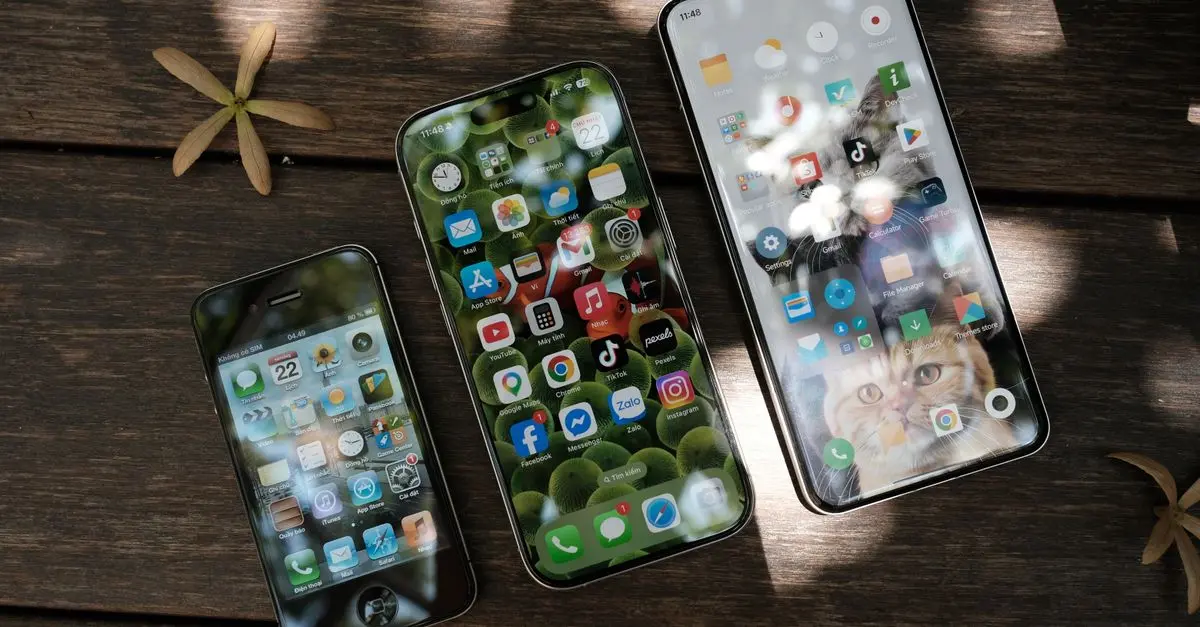
In a world increasingly reliant on technology, mobile technology stands at the forefront of transforming daily life and work. From smartphones and tablets to wearable devices, mobile technology has become integral to how we communicate, access information, and conduct our daily activities.
What is Mobile Technology?
Mobile technology refers to the tools and systems that facilitate communication and information sharing through mobile devices. This includes smartphones, tablets, and laptops that connect wirelessly to the internet, enabling users to access information anytime, anywhere. The advent of 5G networks has further enhanced the capabilities of mobile devices, allowing for faster data transmission and improved connectivity. As mobile technology continues to evolve, it is essential to understand its implications for society.
According to a report by Statista, as of 2026, there are nearly 5 billion mobile phone users worldwide, indicating how pivotal mobile technology has become in daily life. It allows for instant communication, remote work, and access to a plethora of applications that cater to different needs, from social networking to online banking. With such a vast user base, mobile technology plays a crucial role in shaping behaviours, interactions, and even cultural norms.
The Impact of Mobile Technology on Daily Life
Mobile technology has dramatically changed our daily lives. For example, look at mobile banking: users can handle transactions seamlessly via apps provided by major banks like Barclays, HSBC, or Santander. This shift has not only enhanced convenience but also increased financial accessibility for individuals without traditional banking access. Statistics show that mobile banking transactions have surged by over 50% over the past three years alone, highlighting the growing reliance on mobile technology for personal finance management.
Moreover, social media networks such as Facebook, Instagram, and WhatsApp thrive primarily on mobile platforms. These platforms allow users to share information and connect with others, but they also bring forth questions about privacy and information security. With data breaches affecting millions annually, it’s essential for users to remain vigilant and understand the implications of using mobile technology for social interactions.
Procedural Guide: How to Effectively Use Mobile Technology
To fully embrace the benefits of mobile technology in daily life, consider the following steps:
- Choose the Right Device: Assess your needs (e.g., for work, entertainment, or social interaction) and select a mobile device that aligns with those needs.
- Stay Informed About Security Practices: Regularly update your device and applications, and utilise two-factor authentication wherever possible to enhance security.
- Integrate Useful Apps: Utilise productivity apps such as Trello or Evernote for organisation, fitness apps like MyFitnessPal, and financial management tools such as mobile banking.
- Establish Boundaries: Given the constant connectivity, it’s crucial to set boundaries on your mobile usage to avoid burnout or fatigue.
By following these steps, users can optimise their mobile technology experience and enhance their productivity and well-being.
Comparative Analysis of Mobile Devices
To illustrate the varying options available in the mobile technology sector, consider the following comparison table between three popular types of devices:
| Feature | Smartphone (e.g., Samsung Galaxy) | Tablet (e.g., Apple iPad) | Wearable Device (e.g., Fitbit) | Verdict |
|---|---|---|---|---|
| Portability | High | Medium | High | Depends on needs |
| Functionality | High, versatile | Medium, limited to apps | Low, fitness-focused | Device specific |
| Connectivity | Excellent | Good | Limited (pairing required) | Varies widely |
| Battery Life | Medium | High | High | User preference |
Analysing Trends in Mobile Technology
The continuous development of mobile technology reveals significant trends shaping its future. According to Gartner, 50% of all internet users in 2026 will access the web solely through mobile devices, highlighting a drastic shift towards mobile-first initiatives. Additionally, the rise of augmented reality (AR) applications on mobile platforms, such as Pokemon Go, offers new ways for users to interact with their surroundings and data. This technological advancement suggests that future mobile devices will integrate more immersive experiences. Furthermore, the use of artificial intelligence (AI) in mobile applications, particularly in customer service through chatbots and personal assistants, is likely to enhance user engagement and efficiency.
Expert Opinion
> 💡 Expert Insight: “Mobile technology not only connects us but also transforms how we approach our work and daily lives. As we advance, understanding the balance between connectivity and mental health will be crucial for users.” — Dr. Sarah Johnson, Tech Analyst and Author of Digital Wellness.
- What are some benefits of using mobile technology?
Mobile technology enhances communication, provides access to information, and offers convenience for banking, shopping, and learning.
- How can I improve my mobile device security?
Regularly update your device, use strong passwords, enable two-factor authentication, and avoid using public Wi-Fi for sensitive transactions.
- What are the best apps for productivity on mobile devices?
Some of the top apps include Microsoft Office, Trello, and Notion for organisation, while Zoom and Teams are popular choices for communication.
- How does mobile technology affect our daily interactions?
Mobile technology enables instant communication and social connectivity but can also lead to reduced face-to-face interactions and focus.
Glossary
| Terme | Définition |
|---|---|
| 5G Technology | La dernière génération de technologie mobile qui permet des vitesses de données plus rapides et une latence plus faible. |
| Mobile Apps | Applications conçues pour fonctionner sur des appareils mobiles afin d'exécuter des tâches spécifiques. |
| Wearable Devices | Dispositifs technologiques que l'on porte, tels que des montres intelligentes ou des trackers de fitness. |
Checklist avant achat
- [ ] Analyser vos besoins en matière de mobile
- [ ] Comparer les caractéristiques des appareils
- [ ] Vérifier la compatibilité avec vos applications préférées
- [ ] Poser des questions sur la durée de vie de la batterie
- [ ] Considérer les options de garantie et de support
📺 Pour aller plus loin: Explore how mobile technology shapes our lives, a comprehensive analysis of the impact of mobile technology. Search on YouTube:
impact of mobile technology on daily life 2026.
🧠 Quiz rapide: What percentage of internet users will access the web solely through mobile devices by 2026?
- A) 30%
- B) 50%
- C) 70%
Réponse: B — The forecast shows a substantial shift towards mobile-only access.