Contents (13 sections)
In today’s connected world, a home smart hub is not just a luxury; it’s a necessity for seamless living. Setting up a smart home can seem daunting, but with the right guide, it’s more manageable than you might think. This article offers a step-by-step tutorial on establishing a smart hub at home using mobile devices.
What is a Home Smart Hub?
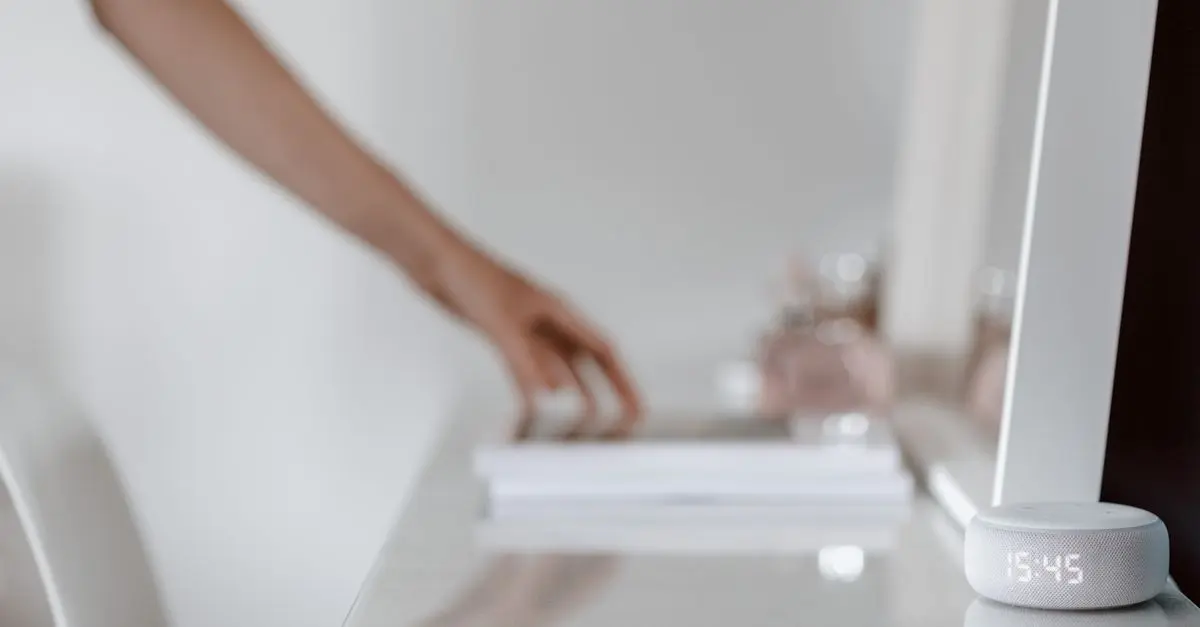
A home smart hub is a centralised system that connects and controls all your smart devices, making home automation smooth and efficient. Think of it as the brain of your smart home. It enables different devices such as smart lights, thermostats, and security cameras to communicate via a common interface.
Step 1: Evaluate Your Current Setup
Before diving into setting up a smart hub, it is crucial to evaluate your existing gadgets. Consider the smart devices you have and their compatibility with potential hubs. Zigbee and Z-Wave are common standards supported by many devices. Ensure your Wi-Fi is robust. Many smart devices demand consistent connectivity, which could strain an outdated router. Upgrading to a modern, high-bandwidth router might be necessary. Common pitfalls include disregarding the compatibility of different devices or neglecting to check the speed and reliability of your internet connection.
Step 2: Select a Smart Hub
With many options available, choosing the right smart hub is pivotal. Consider factors like compatibility, ease of use, and expandability. Popular hubs include Amazon Echo Plus, Samsung SmartThings, and Google Nest Hub. Each offers unique features like voice control or integrations with particular ecosystems. It’s essential not to rush this decision. Ensure the hub supports the devices you plan to integrate, particularly if you have brand-specific devices.
Step 3: Set Up Your Hub
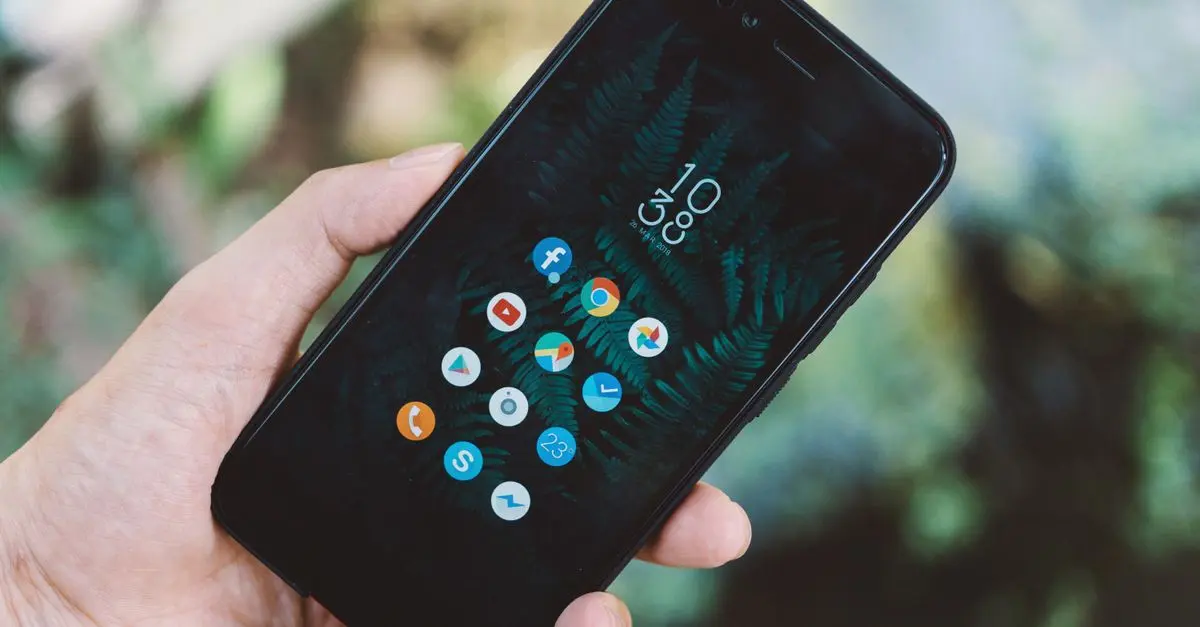
Once selected, setting up your smart hub usually involves downloading an app on your mobile device and following the setup instructions. Begin by placing your hub in a central location to maximize its range. Connect to your Wi-Fi network and test its signal strength. For best results, the hub should not be too far from your router or primary devices. According to UFC-Que Choisir, improper placement often leads to connectivity issues, so it’s crucial to test before finalising the location.
Step 4: Connect Your Devices
With your hub in place, it's time to connect your smart devices. Typically, this involves using the hub’s app to search for devices and follow prompts to connect them. Start with essential gadgets like lights and thermostats. Some devices require specific apps or additional setup stages, so it’s vital to consult the device manuals. A common mistake is forgetting to sync each device before moving to the next, leading to potential connectivity errors.
Step 5: Customise Automation
The real power of a smart hub lies in its automation capabilities. Set up routines such as turning off lights at a specific time or activating security cameras when leaving home. Most hubs allow for automation based on time, location, or user inputs, making daily routines significantly easier. For example, you can create a morning routine that gradually increases light brightness and begins brewing coffee.
Step 6: Test and Troubleshoot
After setup, thoroughly test each device’s functionality. Check if automation routines trigger as expected. Issues might arise, often stemming from connectivity problems or device misconfiguration. Refer to community forums or manufacturer support for solutions. Consistently update your hub’s firmware to improve performance and security, a task often overlooked which can lead to vulnerabilities and inefficient operations.
📺 Resource Video
📺 For further learning: Smart Home Hub Setup Guide, a comprehensive analysis of setting up and optimising a smart hub. Search on YouTube:
smart home hub setup tutorial
Comparative Overview
| Feature | Amazon Echo Plus | Samsung SmartThings | Google Nest Hub |
|---|---|---|---|
| Voice Control | Yes | Limited | Yes |
| Compatibility | High | Very High | High |
| Price Range | Moderate | High | Moderate |
| Expandability | Moderate | High | Moderate |
Checklist Before Setup
- [ ] Evaluate current smart devices for compatibility.
- [ ] Select a hub that matches your needs.
- [ ] Ensure Wi-Fi network is strong and secure.
- [ ] Test connectivity from hub location.
- [ ] Set automations and test all devices.
Glossary
| Term | Definition |
|---|---|
| Smart Hub | Central device connecting all smart gadgets. |
| Automation | Pre-set system actions for device operations. |
| Connectivity | Ability of devices to communicate efficiently. |