Contents (10 sections)
Introduction
Mobile technology is advancing at an unprecedented pace, impacting every aspect of our lives. As we move forward into 2026, several key trends are emerging that promise to further reshape how we interact with our devices and the world around us. In this article, we will explore five pivotal trends — from AI to sustainable practices — that are setting the stage for the future of mobile technology.
AI and Machine Learning Integration
Artificial Intelligence (AI) and machine learning are no longer just buzzwords; they have become integral to mobile technology. In 2026, mobile devices are leveraging AI in various ways, enhancing user experience through personalisation. For instance, AI algorithms can analyse user habits to provide customised suggestions, such as predicting which apps you will use at certain times of the day.
Moreover, voice recognition and virtual assistants are becoming more sophisticated, allowing for seamless interaction with devices. According to recent studies, users report a 30% increase in productivity when utilising AI-powered features. Brands such as Google and Apple are at the forefront of this trend, continuously improving their AI capabilities to meet consumer demands.
This integration of AI not only provides convenience but also personalisation, allowing users to tailor their experiences according to their preferences. The analytics offered by AI can significantly improve mobile advertising strategies, targeting users with highly relevant content.
Therefore, understanding AI's capabilities can lead to a transformed mobile experience.
5G and Future 6G Development
The rollout of 5G networks has been a game changer, providing faster speeds and lower latency than ever before. In 2026, we are witnessing saturation in 5G coverage, which is enabling innovations in various sectors — from health to entertainment. For instance, real-time remote surgeries are now feasible, leveraging ultra-reliable low-latency communication (URLLC) enabled by 5G. Studies indicate that 5G could enhance mobile data capacity by more than 1000% compared to 4G.
Looking ahead, researchers and manufacturers are already investigating 6G technology, which is expected to revolutionise connectivity further. Predictions suggest that 6G could offer speeds up to 100 times faster than 5G. Therefore, understanding the implications of these advancements is key for businesses and consumers alike. Those leveraging this technology will likely excel in various fields, given the enhanced connectivity and capacity for innovation it brings.
Foldable and Flexible Screens
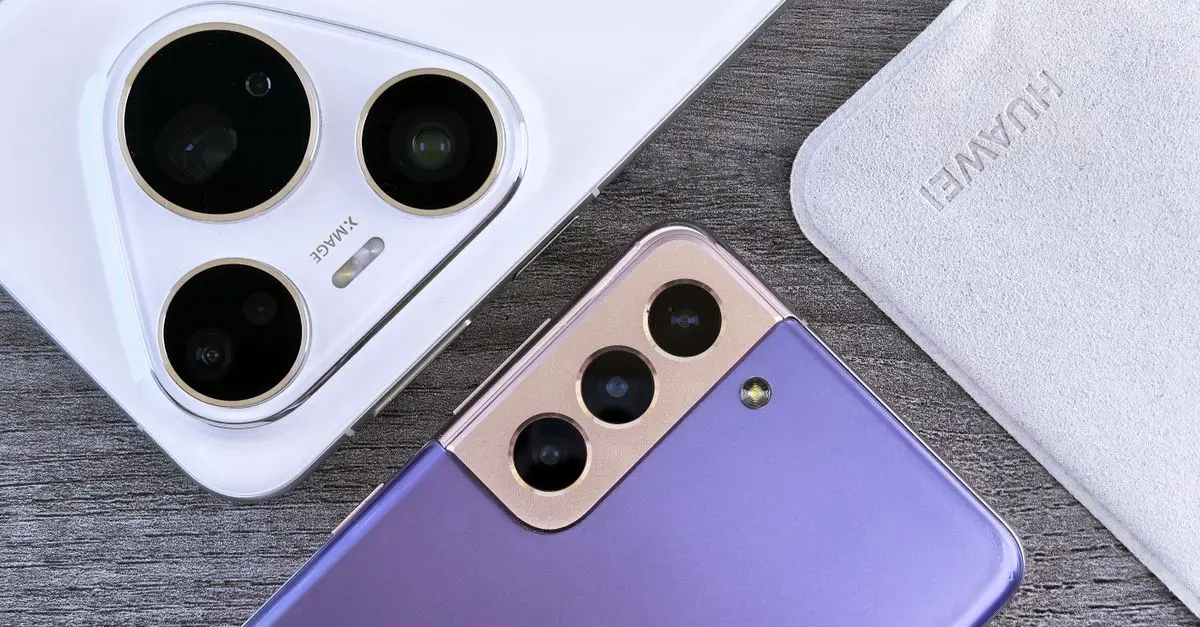
Foldable smartphones have gained popularity, representing a significant trend in mobile technology. By 2026, we are likely to see more sophisticated flexible displays that can easily transition between sizes and formats. Current models, such as those from Samsung and Huawei, have paved the way for innovations in design and usability.
The ability to fold screens means that devices can be more compact while providing larger display areas when needed. Additionally, they cater to a mobile lifestyle by allowing users to switch between browsing on a smartphone interface and a tablet interface seamlessly. Research shows that 80% of users are interested in flexible screen technology. The adaptability of screens is expected to foster creativity, enabling developers to create innovative applications that were previously impossible. As the market for foldable devices grows, consumers can expect a wide array of options tailored to their needs.
Sustainability in Mobile Tech
Sustainability has become a critical consideration in all tech industries, and mobile technology is no exception. In 2026, consumers are more conscious than ever about the environmental impact of their purchases. Leading manufacturers are producing devices with sustainable materials and encouraging recycling. The European Green Deal has set ambitious targets for tech companies, pushing them towards greener solutions.
Brands like Apple are taking significant steps by using recycled materials in their devices and aiming to achieve carbon neutrality across the entire supply chain by 2030. Furthermore, consumers are increasingly prioritising energy-efficient devices, with studies showing that 70% of consumers now consider a product's environmental impact before purchasing. Consequently, sustainability in mobile tech is not just a trend but a necessity enforced by consumer demand and regulatory guidelines.
Wearable Technology Evolution
Wearable technology continues to evolve, integrating more health and fitness features tailored to user needs. By 2026, the market for wearables is projected to grow, driven by the rising interest in health monitoring. Smartwatches and fitness trackers are now offering advanced features like ECG monitoring, blood oxygen level tracking, and even fall detection.
Companies such as Fitbit and Garmin lead in developing features that appeal to health-conscious consumers. The COVID-19 pandemic has further heightened awareness around health and wellness, accelerating the trend towards wearables. According to reports, the wearables market is expected to reach £60 billion by 2026, a significant increase driven by consumers seeking to monitor their fitness and health proactively. This evolution means that wearables are no longer just accessories; they are becoming essential tools in managing personal health.
💡 Expert Insight: As a mobile technology enthusiast, I've observed that these advancements significantly affect how we live. For instance, using AI in daily tasks can save us time and effort, enhancing our productivity like never before.
📺 Resource Video
> 📺 For further insights: The Evolution of Mobile Technology in 2026, an analysis of upcoming trends. Search for: "mobile technology trends 2026".
Checklist before purchase
- [ ] Evaluate the device's AI features.
- [ ] Ensure 5G compatibility.
- [ ] Check environmental impact and material use.
- [ ] Consider the size and flexibility of the screen.
- [ ] Assess health monitoring features in wearables.
Glossary
| Term | Definition |
|---|---|
| 5G | The fifth generation of mobile network technology, offering faster speeds and lower latency. |
| AI (Artificial Intelligence) | Technology enabling machines to learn and adapt based on data input, enhancing user experience. |
| Wearables | Smart devices worn on the body, often tracking health and fitness data. |
---
📺 Pour aller plus loin : mobile technology trends 2026 sur YouTube